
Our appearance often plays a significant role in how we feel about ourselves and how others perceive us. It’s natural to want to look your best and feel confident in your skin. Improving one’s appearance can enhance self-esteem, and it’s perfectly valid to pursue changes that make you feel more comfortable and happy with how you look.
The eyes, often called the windows to the soul, are one of the most expressive and noticeable features of the face. They convey emotions, reflect energy, and are central to facial aesthetics. For many, improving the appearance of the eye area can make a world of difference in how they look and feel.
This article will discuss a popular procedure called upper blepharoplasty, which addresses concerns with the upper eyelids to rejuvenate the eyes and restore a more youthful appearance.
Let’s start with: What is upper blepharoplasty surgery?
What Is an Upper Blepharoplasty?
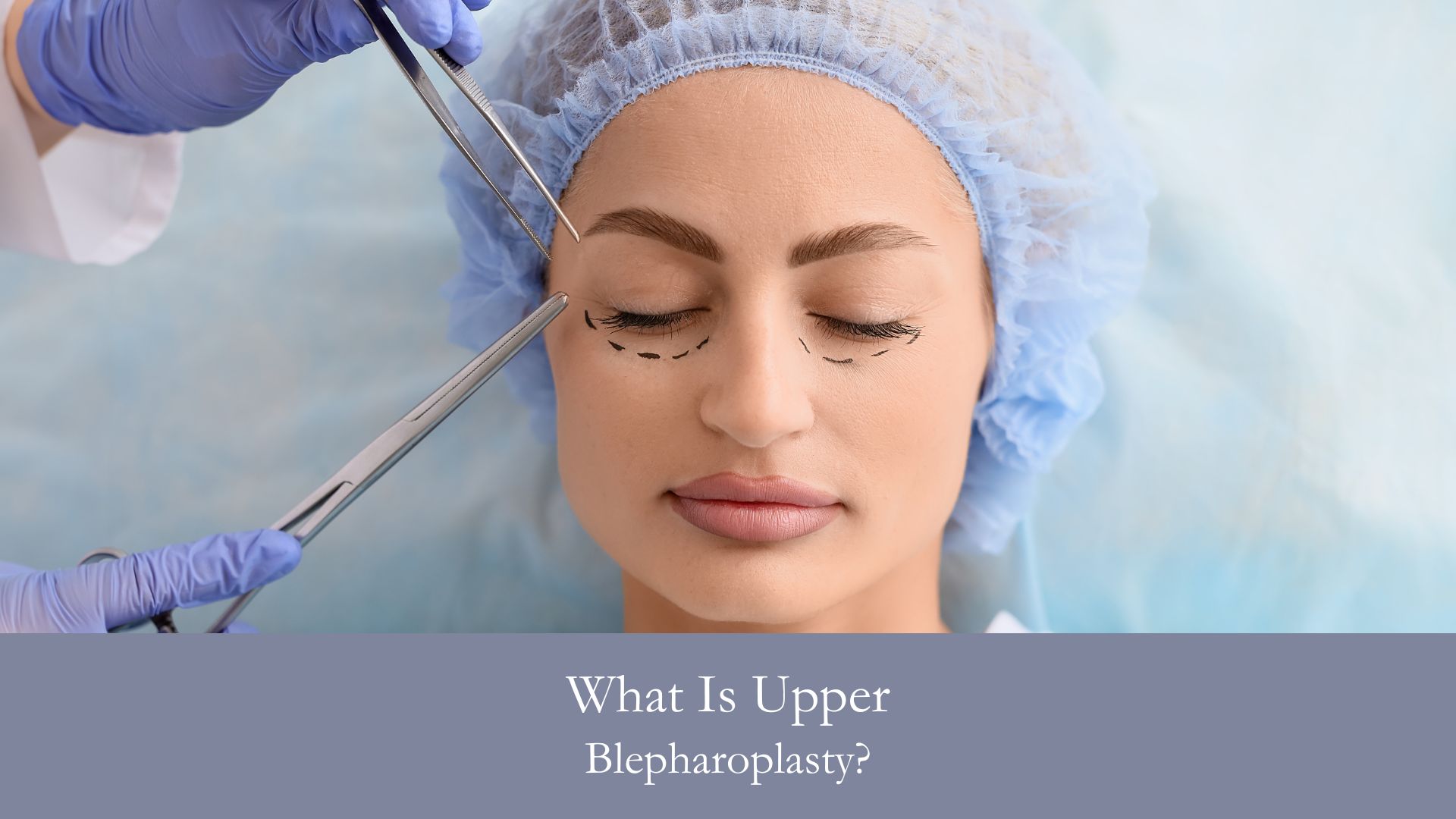
Upper blepharoplasty, also called upper eyelid surgery, is a surgical procedure that targets sagging eyelid skin and excess fat around the upper eyelids. This procedure is designed to enhance the appearance of the eyes and can also improve vision in cases where droopy eyelids obstruct sight.
During the surgery, a plastic surgeon carefully removes excess skin and fat, creating a smoother and more youthful look. The incision is typically made along the natural eyelid crease to minimize visible scarring. Many blepharoplasty patients seek this procedure to feel more confident in their appearance.
Board certified plastic surgeon Dr. Sanam Zahedi specializes in upper blepharoplasty and other cosmetic procedures to help patients achieve their aesthetic goals. Upper blepharoplasty not only improves how the eyes look but can also make a person appear more awake and refreshed.
Upper Blepharoplasty vs Lower Blepharoplasty
 Upper blepharoplasty focuses on the upper eyelids, addressing issues like sagging eyelid skin, excess fat, and droopy eyelids. This procedure is ideal for individuals who want to enhance the appearance of their upper lids or improve vision affected by baggy eyelids.
In contrast, lower blepharoplasty targets the lower lids and is designed to remove excess skin and fat that contribute to under-eye bags. While both surgeries aim to rejuvenate the eye area, they address different concerns. Upper blepharoplasty often involves creating an incision along the eyelid crease, whereas lower eyelid surgery typically involves an incision below the lash line or inside the lower lid.
Both procedures can be performed separately or combined for a comprehensive eyelid lift.
Who Is a Good Candidate for Upper Eyelid Surgery?
Physical Health Requirements
Candidates should be in good overall health. Chronic conditions like uncontrolled diabetes or high blood pressure may increase risks during surgery.
A consultation with a plastic surgeon can help determine your candidacy. It is also important for candidates to be free of any active infections or eye conditions that could complicate healing.
Specific Eye Concerns
Upper blepharoplasty is ideal for individuals with sagging eyelid skin, droopy eyelids, or excess fat affecting the upper lids. These concerns can impact both appearance and vision. Candidates often report feeling self-conscious about how their eyes look or experiencing difficulty with tasks like reading due to obstructed vision.
Realistic Expectations
Candidates should have a clear understanding of what the surgery can achieve. While upper eyelid blepharoplasty can significantly enhance appearance, it cannot stop the natural aging process.
What Is a Upper Blepharoplasty Recovery Like?
Recovery from upper blepharoplasty typically takes one to two weeks. Swelling after blepharoplasty is common and should gradually subside over this period. Patients are advised to follow post-operative care instructions provided by their blepharoplasty surgeons to ensure optimal healing.
Activities such as heavy lifting and intense exercise should be avoided during the recovery phase. Most patients can return to their normal routines within ten days, although some residual swelling or bruising may persist temporarily.
FAQs: Upper Blepharoplasty Procedure
What is the recovery time for upper blepharoplasty?
 The recovery time for upper blepharoplasty is typically one to two weeks. Swelling and bruising are normal during this period, but most patients can resume their regular activities within ten days. Following all post-operative instructions helps ensure a smooth recovery.
Does upper blepharoplasty leave visible scars?
The incision for upper blepharoplasty is made along the natural eyelid crease. This placement ensures that scars are well-hidden and fade significantly over time. Many patients report that their scars become almost invisible within a few months.
Can upper blepharoplasty improve vision?
Yes, upper blepharoplasty can improve vision in cases where droopy eyelids obstruct the field of view.
How do I choose the right surgeon for upper blepharoplasty?
Look for a board certified plastic surgeon with experience in eyelid surgery. Reviews, before and after photos, and patient testimonials can help in making an informed decision.
How long results last from blepharoplasty?
Blepharoplasty delivers long-lasting improvements, upper eyelid surgery for 10+ years, lower procedures for 15+ years. Protect your results by limiting sun exposure, maintaining healthy habits, and following aftercare instructions. Some patients may eventually need touch-ups to maintain their refreshed appearance.
What are the risks of asian blepharoplasty?
Like any surgical procedure, Asian blepharoplasty surgery carries potential risks including infection, asymmetry, visible scarring, temporary numbness, and dry eyes. However, choosing an experienced, board-certified plastic surgeon who understands Asian eyelid anatomy significantly minimizes these risks and increases the likelihood of successful results.
If patients are unsatisfied with outcomes, revision surgery may be an option to refine the eyelid crease or correct asymmetry. Proper candidate selection and following post-operative care instructions help ensure optimal healing and natural-looking Asian blepharoplasty results.
Does insurance cover both upper and lower blepharoplasty equally?
Blepharoplasty insurance coverage varies between upper and lower blepharoplasty procedures. Upper blepharoplasty is more likely to receive insurance coverage because drooping upper eyelids can directly obstruct vision and interfere with daily activities.
For upper eyelid surgery to qualify for coverage, you typically need to demonstrate that the excess skin is causing vision problems. Lower blepharoplasty, which primarily addresses under-eye bags and puffiness, is less commonly covered by insurance since these issues rarely affect vision or create functional impairments.
How can bruising be reduced or managed after eyelid surgery?
Cold compresses, keeping the head elevated, and avoiding strenuous activity help minimize bruising from upper eyelid surgery. Following post-operative instructions from the surgeon is essential for optimal healing and to prevent prolonged discoloration.
Book a Consultation with Us
Open your eyes to a whole new you!
Upper blepharoplasty can improve both your appearance and your overall vision. To learn whether you qualify and find out more about your options, please call today and book a consultation with board certified plastic surgeon Dr. Sanam Zahedi.