
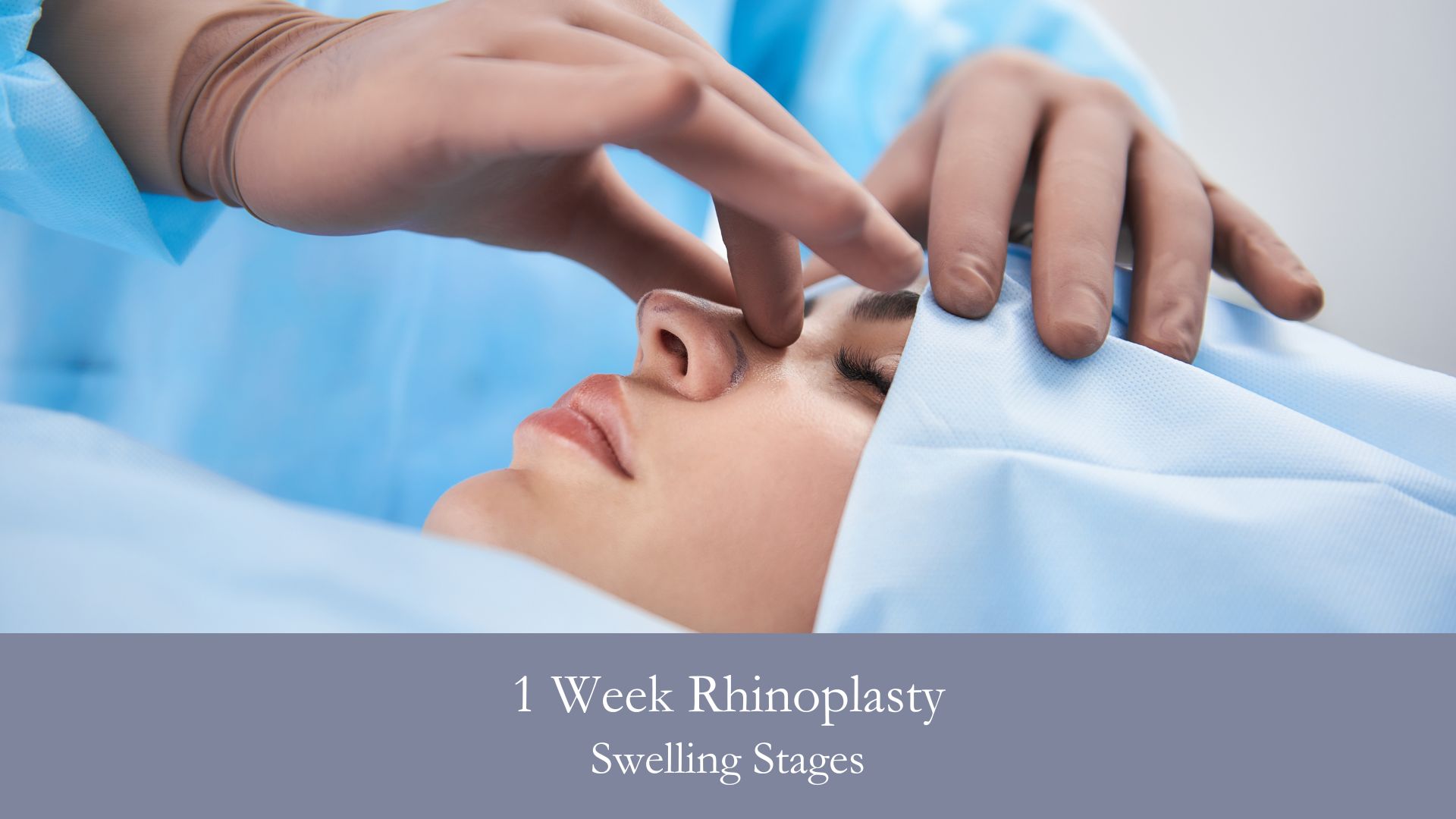
1 Week Rhinoplasty Swelling Stages is one of the most common concerns patients have after a nose job at Zahedi Plastic Surgery. The first week can feel overwhelming because swelling changes day by day, and many patients are unsure what is normal. Understanding how swelling progresses during this early phase helps reduce anxiety and supports a smoother recovery under the care of Dr. Sanam Zahedi, who carefully guides patients through each stage of the healing process.
After rhinoplasty surgery, swelling is a natural response of the body. During the first week, most rhinoplasty patients experience noticeable swelling, especially around the nasal tip and nasal bridge, as part of the normal healing process.
Introduction to Rhinoplasty Plastic Surgery
Rhinoplasty surgery, commonly called a nose job, is a type of plastic surgery that reshapes the nose to improve appearance, breathing, or both. It may adjust the nasal structure, refine the nasal shape, or improve airflow through the nasal passages.
The healing process after a rhinoplasty procedure includes several stages, starting with initial swelling, moving through the acute swelling stage, and ending with residual swelling. Each swelling stage plays an important role in how the nose heals.
Understanding the rhinoplasty recovery timeline helps patients better manage swelling after rhinoplasty and feel more confident during their recovery journey. Many patients are surprised by how common swelling is, especially in the early recovery phase.
Most rhinoplasty patients experience noticeable swelling, particularly in the nasal tip, during the early recovery phase. This is expected and does not affect the quality of the final results.
Immediate Post Operative Phase
The immediate post operative phase begins right after nose surgery. During this time, patients often experience significant swelling, bruising, nasal congestion, and mild discomfort.
This post operative swelling affects the surgical site, nasal tissues, and sometimes causes difficulty breathing due to internal swelling. These symptoms are temporary and part of the normal rhinoplasty recovery process.
Using cold compresses and keeping the head elevated helps reduce swelling and supports proper healing. Applying cold compresses correctly can help control blood flow and limit fluid retention.
Nasal dressings and splints are commonly placed to protect the nasal structure and support a smooth healing process during this stage.
Acute Swelling Stage
The acute swelling stage is the period when swelling is at its peak. It typically lasts 7–10 days and represents the most significant swelling of the entire rhinoplasty recovery.
During this stage, patients may experience visible swelling, bruising, pressure, and swelling and discomfort around the nasal bridge and nasal tip. This is the phase most patients think of when they imagine recovery.
Managing swelling during the acute swelling stage is critical for optimal recovery. Activities that increase blood pressure, such as bending or lifting, can worsen swelling.
Most rhinoplasty patients begin to see stabilization of swelling by the end of the first week, even though swelling has not fully resolved.
Nasal Tip Swelling
Nasal tip swelling is one of the longest-lasting parts of rhinoplasty swelling. The nasal tip has delicate nasal tissues and slower circulation, which makes swelling persist.
Patients with thicker skin often experience prolonged swelling, especially in the nasal tip. This does not mean healing is going poorly—it simply takes more time.
Patients undergoing revision rhinoplasty may notice more significant swelling because the tissue has already been altered by a previous procedure.
Using cold compresses, avoiding pressure, and following post operative instructions help manage nasal tip swelling and support steady healing progress.
Managing Swelling
Learning how to manage swelling is essential for a successful recovery. Swelling changes throughout the recovery period, and some days may look better than others.
Helpful strategies include:
- Keeping the head elevated
- Using cold compresses
- Avoiding strenuous exercise
- Following personalized advice from a skilled surgeon
Regularly attending scheduled follow up appointments allows rhinoplasty surgeons to monitor the healing journey and address concerns early.
Reduce Swelling Strategies
There are several effective ways to reduce swelling after rhinoplasty surgery.
Applying cold compresses during the first week helps control swelling and supports support healing. These should always be used as directed.
Keeping the head elevated, especially while sleeping, limits fluid retention and improves circulation.
Avoiding strenuous exercise, heavy lifting, and activities that raise blood pressure is essential during the early recovery process.
Good nutrition and hydration help support proper healing and contribute to a smoother recovery.
Post Operative Care
Good post operative care is key to a smooth healing process. Protecting the surgical site reduces the risk of complications and supports long-term outcomes.
Patients should:
- Keep nasal dressings clean
- Take medications as prescribed
- Avoid touching or bumping the nose
- Attend all scheduled follow up appointments
Caring for the nasal tissues properly helps ensure steady progress throughout the rhinoplasty recovery stages.
Optimal Recovery
Achieving optimal recovery requires patience and consistency. Swelling does not disappear overnight, and subtle swelling can remain for months.
Healthy habits that support recovery include:
- Adequate rest
- Avoiding smoking and alcohol
- Following rhinoplasty recovery tips
- Maintaining a balanced diet
These steps help promote a successful recovery and protect the new nasal shape.
Most Swelling Occurs
Most swelling after rhinoplasty happens during the first week. This is when post operative swelling and visible swelling are at their highest.
For many patients, noticeable swelling subsides within 2–3 weeks. However, residual swelling may remain longer, especially in the nasal tip.
Understanding that swelling improves gradually helps most patients stay calm and confident during recovery.
Recovery Timeline
The rhinoplasty timeline varies, but patterns are similar for most rhinoplasty patients.
- Week 1: Most significant swelling
- Weeks 2–3: Swelling reduces, definition improves
- Months 3–12: Swelling resolves completely and final results appear
Patients often notice steady improvement as healing continues.
Factors Affecting Recovery
Several factors influence swelling after rhinoplasty and overall recovery.
These include:
- Thicker skin
- Surgical technique
- Overall health
- Primary rhinoplasty vs. revision rhinoplasty
- Procedures like wide nose or ethnic rhinoplasty, often involve more structural work, which can increase swelling
A thorough rhinoplasty consultation helps patients understand how these factors may affect their recovery.
Returning to Normal Activities
Returning to normal routines should be gradual. Rushing recovery can increase rhinoplasty risks and delay healing.
Patients should avoid strenuous exercise until cleared by their surgeon and ease back into daily activities to protect the nasal structure.
A careful return to activity supports a safer and more comfortable recovery journey.
Reducing Swelling with Time
Time is the most important factor in healing. Swelling improves as blood flow normalizes and tissues repair themselves.
Even if some swelling remains, patients can expect steady improvement. With patience and good care, swelling resolves naturally.
Conclusion
In conclusion, understanding the 1 Week Rhinoplasty Swelling Stages helps patients feel more prepared and confident after nose surgery. Swelling is a normal and temporary part of the healing process.
By following post operative instructions, managing swelling carefully, and working with a skilled surgeon, patients can support proper healing and achieve their desired final results.
FAQs: 1 Week Rhinoplasty Swelling Stages
How long does swelling last after rhinoplasty surgery?
Most swelling occurs during the first week, but residual swelling can last several months. The nasal tip often takes the longest to fully heal.
Is nasal tip swelling normal during the first week?
Yes, nasal tip swelling is very common due to delicate nasal tissues and reduced circulation. This swelling improves gradually over time.
Can cold compresses help reduce swelling?
Yes, applying cold compresses helps control swelling and reduce fluid retention during the early recovery phase.
When does noticeable swelling go down?
For many patients, noticeable swelling subsides within 2–3 weeks. Some subtle swelling may remain longer.
Does revision rhinoplasty cause more swelling?
Yes, revision rhinoplasty often leads to more swelling because of scar tissue from prior surgery. Recovery may take longer.
When will I see the final results of my nose job?
Final results can take up to a year to fully appear as swelling gradually resolves and the nasal shape settles.
Schedule a Rhinoplasty Consultation at Zahedi Plastic Surgery
If you are considering rhinoplasty and want personalized guidance for a smooth recovery and natural-looking results, scheduling a consultation at Zahedi Plastic Surgery is the best next step.
During your visit with Dr. Sanam Zahedi, you will discuss your goals, nasal structure, and what to expect from the rhinoplasty recovery process, including swelling stages and healing timelines. A one-on-one consultation ensures your treatment plan is tailored to your anatomy and supports safe surgery, proper healing, and long-term satisfaction.