
The Cost of Blepharoplasty Surgery is one of the first things patients want to understand when they begin exploring eyelid rejuvenation. Blepharoplasty is a cosmetic surgery designed to improve the appearance of the upper or lower eyelids by removing excess skin, fat, and sometimes muscle.
This surgical procedure helps treat droopy eyelids, excess skin, and under-eye bags caused by aging or genetics, creating a more youthful, awake, and refreshed appearance. At Zahedi Plastic Surgery, Sanam Zahedi, MD provides customized blepharoplasty treatment plans designed to enhance the eyes with natural-looking results. Understanding the cost of eyelid surgery, what affects it, and what to expect during the process is essential before undergoing eyelid surgery.
Eyelid Surgery Overview
Blepharoplasty is a form of facial plastic surgery that can be performed on the upper lids, lower eyelids, or both at the same time. Many patients choose upper eyelid surgery when sagging eyelids or excess tissue causes a heavy or tired appearance, while lower eyelid surgery is often recommended for under-eye bags or loose skin beneath the eyes. In some cases, patients undergo both procedures for a more complete rejuvenation of the eye area.
The blepharoplasty procedure can also be tailored for specific goals. For example, asian blepharoplasty focuses on creating or enhancing a natural crease in the upper eyelid. Some patients may also benefit from combining eyelid surgery with a brow lift, facial fat transfer, or laser resurfacing to achieve even more balanced facial features.
No matter the technique, the goal of eyelid surgery is to create a natural, refreshed look while preserving the patient’s unique anatomy and expression.
Benefits of Blepharoplasty
Blepharoplasty offers both cosmetic and functional improvements. On the cosmetic side, removing excess skin and smoothing out the eyelid contours helps brighten the eyes and soften signs of aging. Many patients report that their face appears more rested and youthful after surgery.
Functionally, upper eyelid surgery can improve vision when sagging eyelids obstruct the upper field of sight. Excess skin can sometimes feel heavy or irritating, and removing it often provides unexpected relief.
Most patients also appreciate the long-lasting results of the procedure. While the natural aging process continues, the improvements from upper or lower eyelid surgery often remain visible for many years. When combined with other cosmetic procedures, such as a brow lift or laser skin tightening, results can be even more dramatic.
Average Cost of Blepharoplasty Surgery
One of the most common questions during an initial consultation is: “How much does eyelid surgery cost?” The eyelid surgery cost varies because the procedure is highly personalized. The total cost of blepharoplasty depends on the surgeon’s experience, anesthesia fees, facility fees, and whether you need upper eyelid surgery, lower eyelid surgery, or both.
In general, the total cost usually falls between $3,000 and $7,000, though this can increase for more complex procedures. Upper eyelid surgery tends to be less expensive because it focuses primarily on removing excess skin from the upper eyelid. Lower blepharoplasty typically costs more since it often involves fat repositioning, smoothing under-eye bags, and tightening the lower eyelids.
It’s also important to understand that your final fee includes several components. The surgeon’s fee reflects the skill and training required to produce natural eyelid surgery results. Anesthesia fees vary depending on whether the procedure is performed with local anesthesia or general anesthesia. Facility fees cover the costs of using a certified surgical center and all equipment involved in the procedure. When combined, these elements determine the final eyelid surgery cost.
Blepharoplasty Cost Factors
The cost of blepharoplasty surgery varies from patient to patient because each case is unique. One of the biggest factors is the surgeon’s expertise. A highly experienced surgeon who specializes in eyelid surgery may charge more, but the investment often leads to better outcomes, fewer risks, and more predictable results.
Geographic location also affects the blepharoplasty cost. Practices located in large cities or areas with a higher cost of living generally have higher fees. Meanwhile, smaller cities might offer lower prices, although this should never replace the importance of finding a qualified, experienced surgeon.
The complexity of the procedure matters as well. For example, a simple upper blepharoplasty performed on someone with mild sagging eyelids will cost less than a complex procedure involving both upper and lower eyelids, fat repositioning, and additional cosmetic surgery. Some patients also benefit from laser surgery or laser resurfacing around the eyes, which can influence the final price.
Finally, additional expenses such as medical tests, pre-surgical evaluations, and post-operative appointments may affect the total cost. While these are usually minimal, they play a role in the overall cost of eyelid surgery.
Surgical Procedure and Recovery
Blepharoplasty Procedure
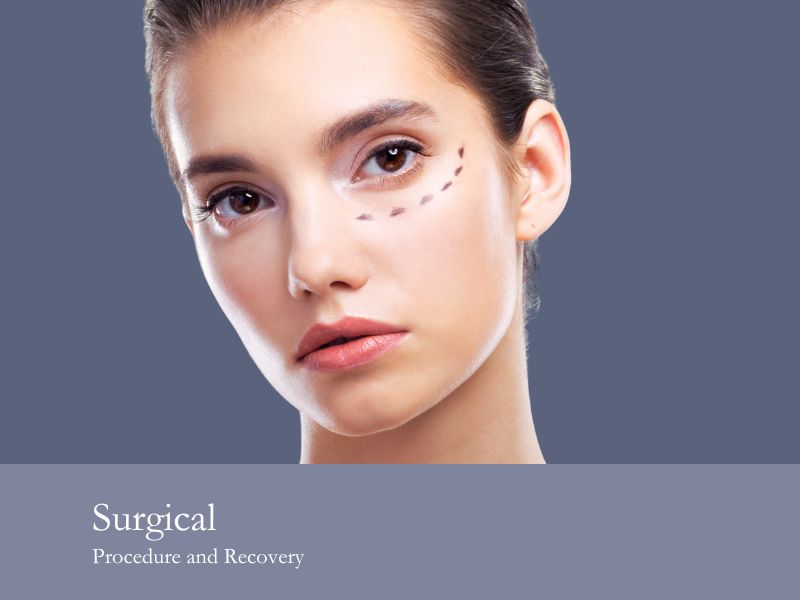
During the blepharoplasty procedure, the surgeon removes or repositions excess skin, tissue, and fat to improve the contour of the upper or lower eyelids. Incisions are placed strategically to hide them within the natural crease of the upper eyelid or just beneath the lower lash line.
Most patients undergo blepharoplasty under local anesthesia, especially for upper eyelid surgery, though general anesthesia may be recommended for more detailed or combined procedures. The surgery typically lasts one to three hours depending on whether both eyelids are treated.
After the procedure, patients spend a short time in the surgical center before returning home the same day. Because fine sutures are used, scarring is usually minimal and continues to fade over time.
Pre-Surgical Consultation and Preparation
Before undergoing blepharoplasty, it is essential to participate in a thorough initial consultation. During this appointment, your surgeon reviews your medical history, current medications, and any previous facial plastic surgery. They will examine the upper or lower eyelids, assess the degree of excess skin, and discuss realistic expectations.
Your surgical plan will depend on your goals—whether you want to remove excess skin, treat under eye bags, or refresh both eyelids. The consultation also includes a discussion of surgical fees, the cost of blepharoplasty surgery, anesthesia options, and financing options if needed.
Many patients will need medical tests before surgery, especially if they have underlying medical conditions. Your surgeon may also give specific instructions to stop smoking, avoid certain medications, or prepare your home for recovery.
Post-Surgical Care and Recovery Process
The recovery process after blepharoplasty is generally smooth. Most swelling and bruising appear within the first few days and gradually improve over the next few weeks. Many patients return to work within 7 to 14 days, depending on the type of surgery and how quickly their body heals.
Good aftercare is essential for achieving the best possible eyelid surgery results. Patients are usually instructed to keep their head elevated, use cold compresses, and avoid strenuous activity until cleared by their surgeon. Follow-up appointments allow the surgeon to monitor healing, remove sutures when necessary, and ensure that the recovery process stays on track.
Over time, the initial swelling settles, revealing a smoother and more youthful appearance. Final results continue to refine over several months, and many patients enjoy long-lasting improvements for years.
Choosing a Qualified Surgeon
Choosing an experienced plastic surgeon is one of the most important steps in your blepharoplasty journey. At Zahedi Plastic Surgery, Sanam Zahedi, MD brings strong credentials, a history of excellent eyelid surgery results, and extensive knowledge of eyelid anatomy to help ensure safe, natural-looking outcomes.
Patients should review before-and-after photos, ask questions during the consultation, and make sure their surgeon provides clear explanations about the cost of eyelid surgery, the surgical plan, and the expected recovery process. Feeling comfortable and well-informed is essential before undergoing blepharoplasty.
FAQs: Cost of Blepharoplasty Surgery
How much does eyelid surgery cost on average?
The average cost of blepharoplasty ranges from $3,000 to $7,000 depending on whether you need upper eyelid surgery, lower eyelid surgery, or both. Surgical fees, anesthesia, and geographic location all influence the final eyelid surgery cost.
Is blepharoplasty covered by insurance?
It may be covered by insurance only when the procedure is deemed medically necessary, such as when excess skin from the upper eyelid affects vision. Most health insurance plans do not cover cosmetic surgery, so cosmetic blepharoplasty must be paid out-of-pocket.
What affects the total cost of blepharoplasty the most?
The surgeon’s experience, geographic location, and whether you undergo upper blepharoplasty, lower blepharoplasty, or a combination are major factors. Additional treatments like laser resurfacing or more complex procedures also increase the cost of eyelid surgery.
How long is the recovery process after eyelid surgery?
Most patients see major improvements within a few weeks. Swelling continues to decrease over time, and final results become more refined over several months. Following your surgeon’s instructions helps ensure a smooth and successful recovery process.
What is botched upper eyelid surgery?
Botched upper eyelid surgery refers to unsatisfactory results after an eyelid procedure, such as uneven lids, excessive skin removal, or difficulty closing the eyes.
Schedule Your Blepharoplasty Consultation
Booking a blepharoplasty consultation with Sanam Zahedi, MD – Zahedi Plastic Surgery is the best way to understand your options and receive a personalized treatment plan.
During your visit, Dr. Zahedi will evaluate your eyelids, review your goals, explain the recommended surgical approach, and outline what you can expect before and after surgery. If you’re ready to refresh your eyes and achieve naturally rejuvenated results, scheduling your consultation is the first step toward transformative care.