

Eyelid surgery helps patients address drooping eyelids, puffiness, or excess skin that alters the appearance and function of the eyes. The blepharoplasty procedure can be performed on either the upper or lower lids to restore a clearer contour and reduce the appearance of heaviness around the eyes. In cases of Eyelid Blepharoplasty Botched Upper Eyelid Surgery, corrective techniques may be used to improve both function and aesthetics.
When results go wrong, the outcome can be difficult to live with. A botched upper eyelid surgery may cause uneven folds, visible scars, or problems with the upper eyelid crease. In some cases, too much tissue is removed, leaving the eye exposed or hollow. Patients considering upper eyelid surgery should be aware of potential outcomes and available options if the initial procedure does not proceed as planned.
What is the Blepharoplasty Procedure?
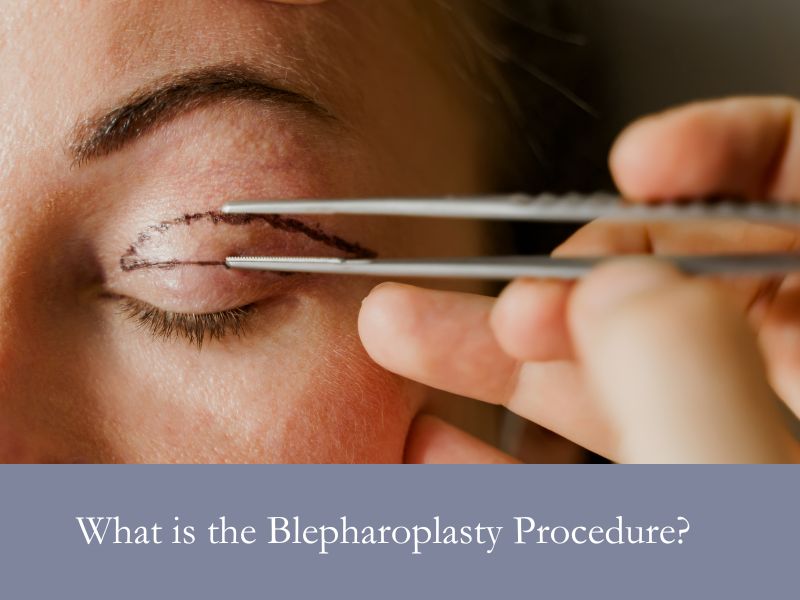
Blepharoplasty is a type of surgical procedure performed on the eyelids. It can remove or adjust fat and muscle, as well as excess skin, to improve both function and appearance.
Upper eyelid surgery is done to correct sagging that creates a heavy fold or blocks vision. Lower eyelid surgery addresses puffiness and under-eye bags that make the face look tired. These operations are forms of cosmetic eyelid surgery, although in some cases, they may fall under functional plastic surgery when drooping lids interfere with vision.
Results depend on the surgeon’s skill and the patient’s own eyelid anatomy. An experienced provider focuses on safety, natural shape, and preserving comfort around the eyes.
Lower Blepharoplasty
Lower eyelid surgery targets the bags beneath the eyes. It reduces puffiness and improves the outline of the lower eyelids. Some patients also want it for sagging or droopy eyelids that alter the appearance of their face.
The surgeon may remove fat, adjust the muscle, or remove excess skin. The method depends on the person’s eyelid anatomy. Bruising and swelling are expected. In uncommon cases, the lower eyelid position can shift. Choosing an experienced surgeon lowers these risks.
Upper Blepharoplasty
Upper eyelid surgery removes folds of excess skin from the lid. It can also help remove fat that contributes to heaviness. The procedure is called upper blepharoplasty. Many patients choose it to restore the natural upper eyelid crease and enhance their eye appearance.
Problems happen when too much tissue is removed. A hollow eyelid may appear, or the lid may not close fully. Some patients develop upper eyelid ptosis, where the lid drops lower than usual.
In difficult cases, a second operation may be needed. Revision eyelid surgery can correct contour problems or support the upper lid if function is affected. Results depend on the surgeon’s judgment and the patient’s healing response.
Asian Blepharoplasty
Asian blepharoplasty is a type of upper eyelid surgery that creates or reshapes the eyelid crease. Many patients seek this procedure to define the upper eyelid crease and adjust the contour of the upper eyelids.
The operation does not change the eye itself. It removes or repositions small amounts of fat or excess skin to highlight the fold. Each case requires a tailored surgical technique, since anatomy and goals vary.
Some patients return for revision eyelid surgery or, in rare cases, undergo multiple eyelid surgeries to refine results. As with any form of eyelid surgery, outcomes depend on the surgeon’s skill and the body’s healing response. The aim is to achieve a natural fold that enhances the aesthetic appearance of the eye while preserving its function.
How Does Botched Eyelid Surgery Happen?
Botched eyelid surgery occurs when tissue is removed or repositioned in an incorrect manner. Removing too much skin from the upper lid can leave the eye looking hollow or make it difficult to close. Scars along the fold may stay visible. Some patients end up with uneven contours between the two eyes.
A previous blepharoplasty makes the situation harder. Less tissue is left to work with, and the eyelid tissues may not heal as expected. Poor planning or errors in surgical technique can also cause problems such as noticeable scars or lid retraction.
Most issues arise from poor surgical judgment, although healing can also contribute to the risk. Correction often needs revision of eyelid surgery.
How Do You Know if You Have a Botched Eyelid Procedure
Signs of a botched eyelid surgery often show once swelling goes down. Lids may look uneven. One eye may sit lower, or the fold may not match the other side.
A hollow upper eyelid is another warning. This can happen if too much skin or fat was removed. Some patients notice pulling at the corner of the eye or scars that remain visible.
Instead of a smoother, more youthful appearance, the eyes may look tired or asymmetrical. When this happens, a consultation is important. Revision eyelid surgery can sometimes correct the problem, but repeat operations carry higher risks.
Cost Breakdown of Blepharoplasty Surgery
The cost of eyelid surgery depends on several factors. The type of procedure, the setting, and the surgeon’s experience all play a role. Upper eyelid surgery cost and overall eyelid surgery cost can vary widely.
Anesthesia Fees
Some patients need only local anesthesia, which is less expensive. Others may require general anesthesia, which can add to the bill. Facility charges and monitoring also contribute to the total increase.
Cosmetic Surgery Isn’t Often Covered by Insurance
Most plans do not cover cosmetic eyelid surgery. When the operation is performed to improve vision, some health insurance policies may cover part of the cost. Patients should confirm coverage in advance and expect out-of-pocket expenses.
Understanding Botched Eyelid Surgeries and How to Prevent Them

Botched eyelid surgeries happen when tissue is handled poorly. Removing too much skin, folds that don’t line up, or scars that remain visible can all leave lasting problems.
A second procedure is more complex. A previous blepharoplasty means less tissue to work with, and the healing process is slower. Revision surgery in these cases carries a higher risk.
The best prevention is the surgeon’s choice. Plastic surgeons who specialize in eyelid surgery know the anatomy and limitations. Using advanced techniques reduces scarring. An experienced surgeon significantly reduces the likelihood of repeat surgery.
FAQs: Eyelid Blepharoplasty Botched Upper Eyelid Surgery
How to Fix Botched Upper Eyelid Surgery?
Correction usually requires revision surgery. A skilled surgeon may add support, adjust the fold, or use grafts if tissue was lost.
What can Go Wrong with Upper Blepharoplasty?
Problems include too much skin removal, scars along the fold, or upper eyelid ptosis. Some patients end up with asymmetry or a hollow lid.
What is Overcorrection in Blepharoplasty?
It happens when the surgeon removes more tissue than needed. This can create a hollow upper eyelid or difficulty closing the eye.
Can Blepharoplasty be revised?
Yes. Revision eyelid surgery can improve contour or correct function. Risks are higher if there have been multiple eyelid surgeries.
Ready for Your Blepharoplasty Consultation?
Schedule a consultation with Dr. Sanam Zahedi, she provides evaluations and treatment options for patients considering eyelid surgery and those seeking help after a botched upper eyelid surgery.
References
- https://www.msn.com/en-us/health/other/behind-the-blepharoplasty-boom-the-truth-about-eyelid-surgery/ar-AA1NgAhZ
- https://www.mayoclinic.org/tests-procedures/blepharoplasty/about/pac-20385174
- https://www.medicinenet.com/blepharoplasty__eyelid_surgery/article.htm
- https://eyelidsurgeries.com/fixing-botched-eyelid-surgery-revisional-eye-surgery/