
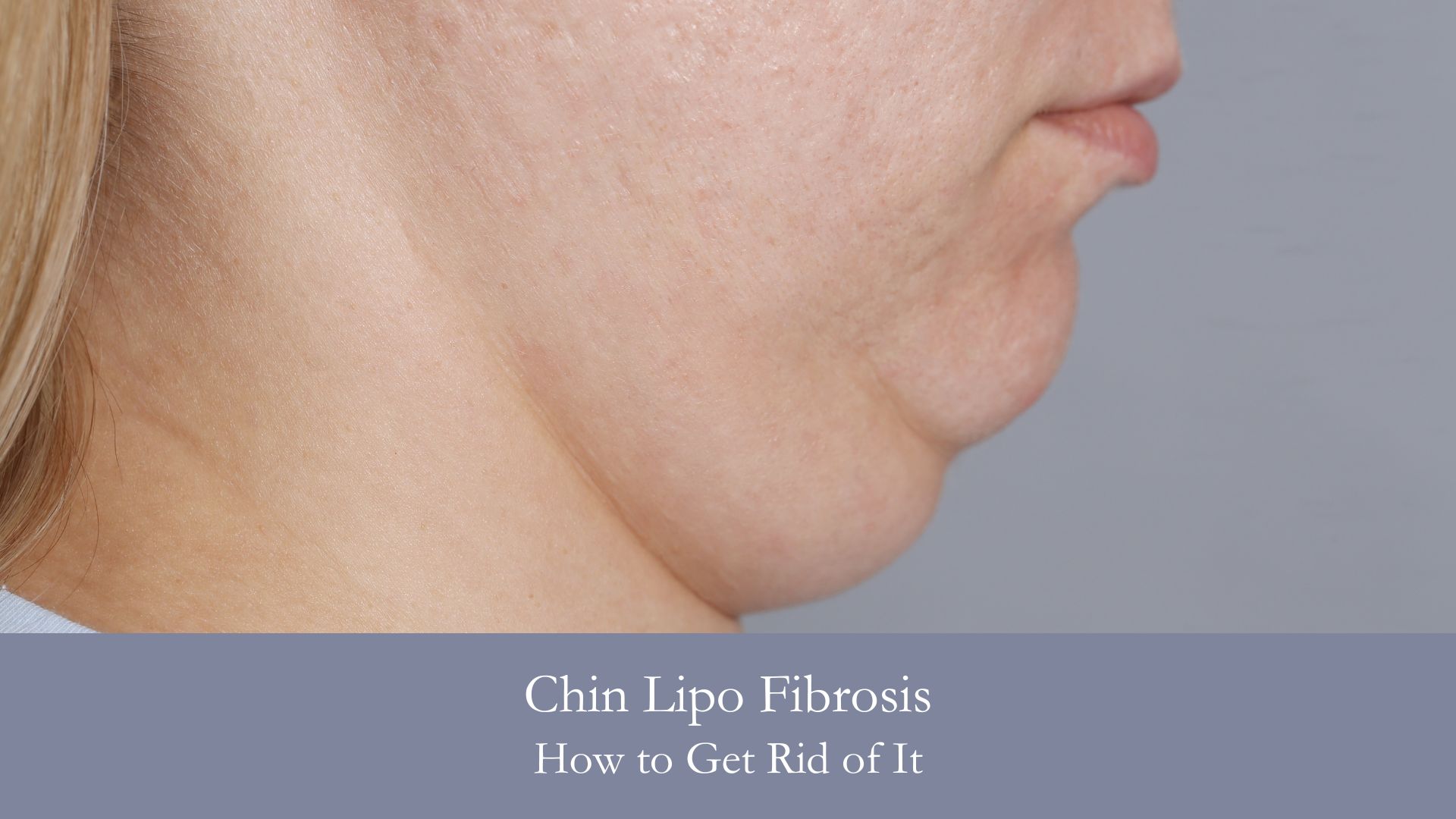
Chin Lipo Fibrosis is something many patients notice during recovery and don’t expect. After chin liposuction surgery, it’s common to feel firmness, tightness, or small hard areas under the skin. These changes can be worrying, especially when you’re unsure whether they are normal or a sign of a problem.
In most cases, fibrosis is part of the body’s natural healing process after a liposuction procedure. As Dr. Sanam Zahedi explains, understanding what’s happening, how long it usually lasts, and what you can do early can support proper healing and lead to better results.
What Is Chin Lipo Fibrosis?
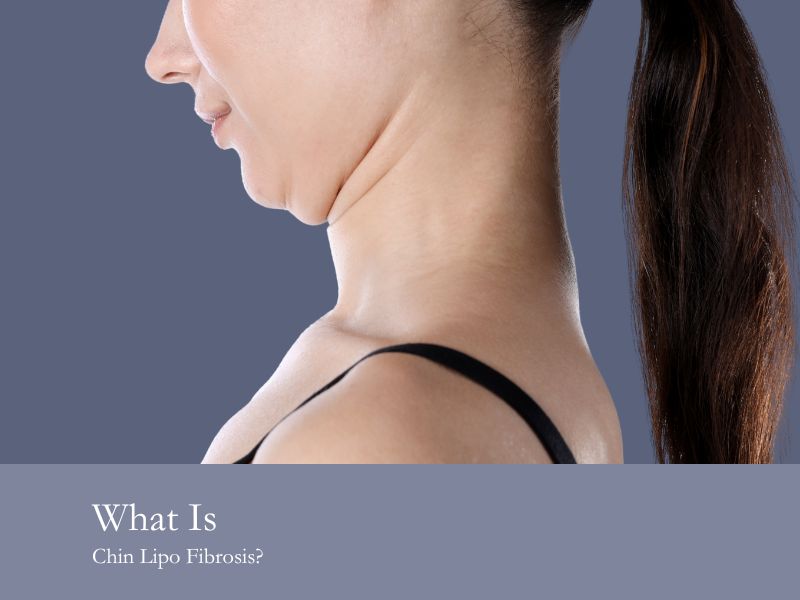
Fibrosis refers to the development of scar tissue in the treated areas following chin liposuction or another lipo surgery. After any surgical procedure, the body responds by repairing injured tissues. This repair process increases collagen production, which helps restore strength and structure.
Sometimes, that response goes a bit too far. When scar tissue formation becomes excessive, the area may feel firm, uneven, or tight. This is commonly described as post lipo fibrosis or lipo fibrosis. Patients may notice:
- Hard lumps beneath the skin
- A pulling sensation when turning the head
- Uneven texture across treated areas
- Tenderness or mild pain
Not all firmness means fibrosis. Especially in the early recovery period, these changes can simply reflect normal swelling and healing.
Why Fibrosis Can Develop After Chin Lipo
Fibrosis can develop because surgical trauma is unavoidable during a lipo procedure. During liposuction surgery, small instruments move through tissues to remove fat, which temporarily disrupts blood vessels and lymphatic channels.
As part of the healing process, the body creates inflammation and swelling before rebuilding tissue. For many patients, this settles naturally over time. For others, limited lymphatic drainage or reduced blood flow allows inflammation to linger, which can worsen fibrosis and lead to thicker scar tissue.
This doesn’t mean something went wrong. It usually means the body is reacting more strongly, which varies from one patient to another.
Normal Firmness vs Fibrosis: How to Tell the Difference
After chin lipo, some firmness is expected. Knowing what’s normal can prevent unnecessary worry.
Normal healing firmness often:
- Feels slightly firm but flexible
- Gradually softens week by week
- Improves as swelling decreases
Fibrosis, however, may:
- Feel hard or dense
- Stay the same or worsen over time
- Cause uneven skin texture
- Persist beyond the usual recovery process
In many patients, mild fibrosis improves with simple care. More stubborn or severe cases may need additional treatment.
Causes: Fibrosis Chin Lipo
Several factors influence whether chin lipo fibrosis develops. Understanding these risk factors helps explain why recovery looks different for each patient.
Compression Garment Use and Aftercare
Compression garments play a major role in proper healing. They reduce swelling and help tissues settle smoothly. Problems tend to arise when:
- Compression is stopped too early
- Garments are worn inconsistently
- The fit is too loose or uneven
Without steady compression, fluid buildup can increase inflammation and contribute to more fibrosis.
Individual Healing Factors
Every body heals at its own pace. Several risk factors can affect fibrosis, including:
- Skin thickness and elasticity
- Smoking or poor circulation
- Certain medical conditions
- Previous surgery in the same area
Patients with slower healing responses may notice firmer areas for longer.
Is Chin Lipo Fibrosis Permanent?
In most cases, chin lipo fibrosis is not permanent. Scar tissue continues to remodel for months after a new lipo procedure. Over time, collagen softens and tissues relax.
However, this changes when fibrosis is ignored for too long. If excessive fibrosis becomes established, it may not resolve fully on its own. Early treatment makes a noticeable difference in long-term results.
Chin Lipo Fibrosis Treatment
There are multiple treatment options to reduce fibrosis and support healing and recovery. The right approach depends on timing, severity, and how the tissues respond.
Massage Techniques Recommended After Surgery
Gentle massage is often recommended early for fibrosis reduction. When done correctly, it helps:
- Improve blood flow
- Encourage lymphatic drainage
- Soften developing scar tissue
Many surgeons suggest lymphatic massage therapy or manual lymphatic drainage performed by trained providers. These techniques focus on moving fluid, not applying deep pressure.
Compression Garments and Consistency
Compression doesn’t stop being important after the first few weeks. Ongoing use can:
- Control swelling
- Improve skin tightening
- Help with preventing fibrosis
Consistency is more important than tightness.
Heat Therapy and Circulation Support
Once approved by your surgeon, heat may help:
- Improve circulation
- Support collagen remodeling
- Reduce inflammation
Some practices also use light therapy or ultrasound therapy, which are non invasive methods aimed at improving tissue flexibility.
Steroid Injections and In-Office Treatments
For areas of excessive fibrosis, steroid injections may be recommended. These treatments can:
- Calm inflammation
- Soften thick scar tissue
- Improve overall skin texture
They are typically used only when conservative care isn’t enough.
When Revision Treatment May Be Considered
Surgical revision is uncommon and usually a last option. It may be discussed when:
- Fibrosis does not improve after several months
- Professional treatments fail
- Contour irregularities remain noticeable
Each case is evaluated individually. Please consult with your doctor about treatment options.
What NOT to Do When Treating Fibrosis
Some actions can slow healing or make fibrosis worse.
Over-Massaging or Aggressive Pressure
Too much pressure can increase inflammation and actually worsen fibrosis. Massage should feel gentle, not painful.
Stopping Compression Too Early
Ending compression too soon can allow swelling to return and delay tissue settling.
Ignoring Follow-Up Appointments
Follow up appointments allow your surgeon to monitor healing and adjust care. Skipping them can delay solutions.
When to See Your Surgeon
You should reach out to your surgeon if you experience:
- Hard lumps that do not soften
- Increasing pain or swelling
- Skin changes or tight pulling sensations
- No improvement over time
Early evaluation provides valuable insights and helps avoid complications.
How to Reduce the Risk of Fibrosis After Chin Lipo
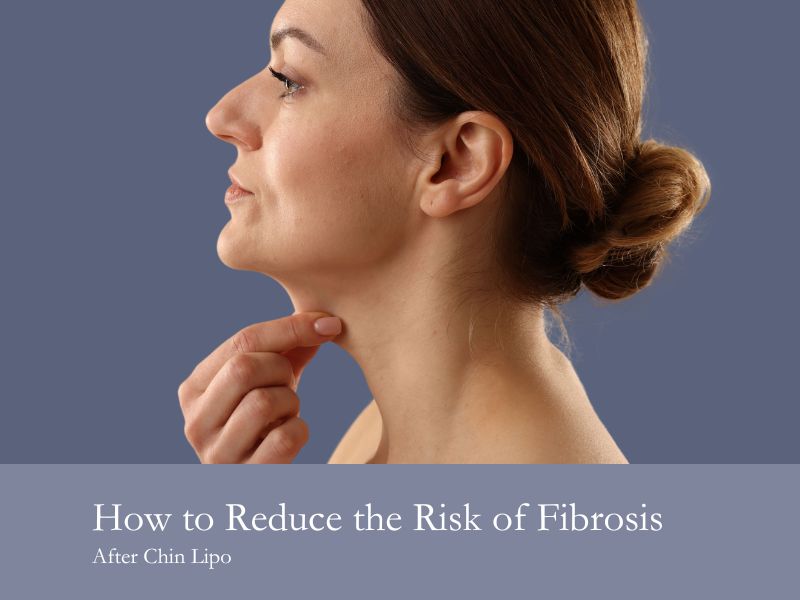
Lowering the risk of fibrosis starts right after surgery. Helpful steps include:
- Wearing compression garments as directed
- Starting lymphatic massage at the recommended time
- Maintaining proper nutrition to support healing
- Staying hydrated to improve circulation
- Avoiding smoking
- Practicing consistent self care
For many patients, these steps are enough to avoid fibrosis altogether.
Frequently Asked Questions: Chin Lipo Fibrosis
How to get rid of fibrosis after chin lipo?
Fibrosis after chin lipo is usually treated with a combination of time and proper aftercare. Most patients see improvement by wearing compression garments consistently and starting gentle or lymphatic massage once approved by their surgeon, which helps reduce inflammation and soften scar tissue. If hard areas persist, professional treatments such as manual lymphatic drainage, ultrasound therapy, or steroid injections may be recommended to further reduce fibrosis and support healing.
How long does fibrosis last after chin liposuction?
Fibrosis can last several weeks or even a few months. Collagen remodeling takes time, and improvement is gradual. Severe cases may take longer to resolve.
Does massage really help reduce lipo fibrosis?
Yes. Lymphatic drainage massage improves circulation and reduces inflammation. When performed correctly, it supports fibrosis reduction without irritating tissues.
What makes fibrosis worse after liposuction?
Inconsistent compression, smoking, dehydration, and aggressive massage can all worsen fibrosis. Ignoring early signs may also allow scar tissue to thicken.
When is surgical revision necessary?
Surgical revision is rarely needed. It is considered only when fibrosis remains after months of conservative and in-office treatments.
Book Your Chin Liposuction Evaluation Today
Not sure whether what you’re feeling after chin liposuction is part of healing or something that needs attention? A one-on-one consultation with Sanam Zahedi, MD at Zahedi Plastic Surgery allows you to review your progress, address concerns like firmness or scar tissue, and discuss treatment options if necessary.
Book your appointment today to move forward with confidence.