

Breast reduction surgery is often recommended when large breasts cause neck pain, shoulder pain, or limit movement. Sanam Zahedi, MD breast reduction also takes into account factors such as BMI, as maintaining a healthy weight can help address long-term issues like back and shoulder pain or shoulder grooving from tight bra straps.
In many cases, insurance providers look at body mass index and other breast reduction requirements before approving the procedure. A specific BMI to qualify for breast reduction may apply, especially when paired with documented physical symptoms and proof of how much breast tissue will be removed.
Understanding the role of weight requirements and the full criteria for breast reduction eligibility is the first step toward preparing for a successful reduction surgery.
BMI Requirements for Breast Reduction and What Other Factors Are Involved
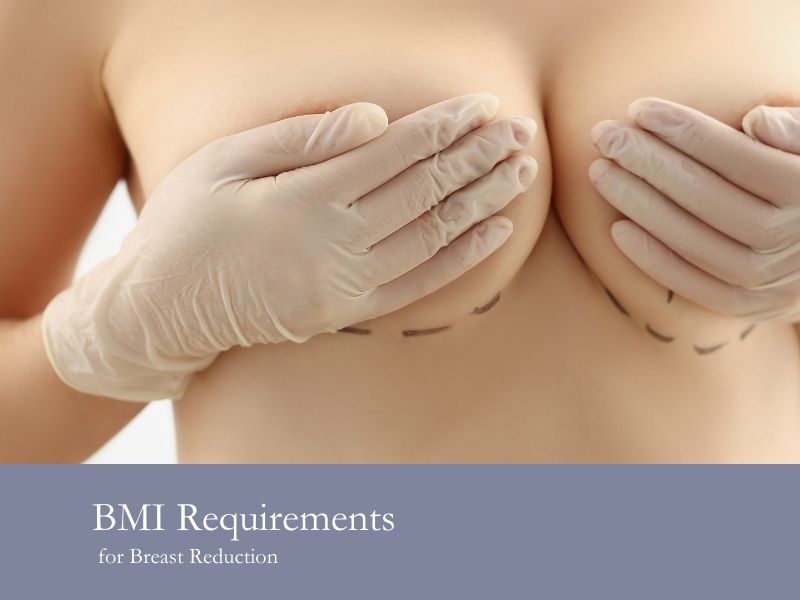
There is no universal BMI requirement for breast reduction, but many plastic surgeons and insurance companies use body mass index as part of the decision-making process. A higher BMI may increase the risk of slower healing, infections, or complications after the procedure. Because of this, some providers recommend reducing body fat or increasing muscle mass to reach a safer weight status before surgery.
That said, BMI alone does not determine whether someone qualifies for reduction surgery. Surgeons evaluate a range of factors, including the severity of physical symptoms, the amount of breast tissue causing pain or interference with daily activities, and whether conservative treatments like physical therapy or supportive garments have failed to bring relief. Another key consideration is how much breast tissue will be removed to qualify the procedure for insurance coverage.
Does Health Insurance Require a Minimum BMI to Qualify for Breast Reduction?
Some insurance companies factor in a patient’s body mass index when reviewing coverage requests for breast reduction. A high BMI for reduction surgery can be seen as an independent risk factor for slower wound healing or other major complications. As a result, some insurers may require evidence of recent weight loss or request that patients lose weight before approving coverage.
Others follow the Schnur Sliding Scale, which compares a person’s body surface area to the amount of breast tissue removed. If the reduction meets the required weight based on that scale, the surgery is more likely to be seen as medically necessary rather than a cosmetic procedure.
Still, many providers don’t enforce a strict minimum BMI. They may focus on documented physical symptoms such as neck pain, back and shoulder pain, and skin breakdown, especially when those symptoms haven’t responded to physical therapy or other medical treatments.
Coverage decisions vary. It often depends on both the weight requirements and whether the patient’s medical history shows a consistent pattern of discomfort caused by excessively large breasts.
How to Get Breast Reduction Covered by Insurance
To have breast reduction covered, patients must show that the surgery is a medical necessity. This usually includes records of ongoing physical symptoms like back and shoulder pain, failed attempts at physical therapy, and documentation of how it affects daily function.
Most insurance companies require photos, a breast reduction weight requirements form, and confirmation that the amount of breast tissue removed will meet the Schnur Sliding Scale. A qualified plastic and reconstructive surgery provider can guide patients through the process.
How do Body Mass Index and Overall Body Weight Affect Insurance Coverage of Breast Reduction?
A high body mass index can affect whether breast reduction is approved. Some insurers set a limit or require patients to lose weight before they’ll cover the reduction surgery.
Others consider the full picture, including physical symptoms, prior medical treatments, and whether the projected breast tissue removed meets coverage guidelines.
Not every plan enforces a strict BMI requirement for breast reduction, but it’s often part of the review.
Breast Reduction Assessment, Surgical Factors, and Patient Outcomes
A thorough breast reduction assessment by a board certified plastic surgeon helps determine whether surgical intervention is appropriate for patients with breast hypertrophy, breast asymmetry, or chronic physical discomfort.
Many patients who have undergone breast reduction surgery or previously undergone breast reduction report improvements in pain, posture, and body image, especially after a bilateral breast reduction that restores balance between the right side and the left breast.
This type of breast surgery is one of several plastic surgery procedures performed to improve function, and when patients have undergone reduction mammoplasty, surgeons carefully document the amount of breast tissue resected to evaluate clinical outcomes and minimize postoperative complications or other surgical complications.
In both obese patients and morbidly obese patients, surgeons may discuss weight loss, an ongoing weight loss journey, and the role of reaching an ideal body weight to reduce risk before a breast reduction procedure.
For symptomatic women, tools such as the breast Q questionnaire help measure quality-of-life changes after plastic surgery, while long-term planning may also consider future needs such as breast reconstruction, prior or current breast cancer, follow-up for breast cancer, and the impact of breast maturity on results.
Does Overall Breast Size Influence Breast Reduction Eligibility?
Yes. Breast size plays a role in breast reduction eligibility, especially when tied to chronic neck pain, shoulder grooving, or skin irritation. However, size alone isn’t enough.
When it comes to breast reduction insurance coverage, what matters most is how excessively breast weight impact health. If physical symptoms are present and a measurable amount of breast tissue can be removed, patients may meet the breast reduction requirements used by insurers and surgeons.
Who is a Good Candidate for Breast Reduction

Patients with neck pain, shoulder pain, or deep grooves from their bra straps may qualify for breast reduction. This is especially true when large breasts interfere with sleep, work, or daily movement.
Many plastic surgeons also look for signs that physical therapy or pain management hasn’t helped. A review of the medical history, current body mass index, and the amount of breast tissue that can be removed helps determine if surgery is appropriate.
Typical Breast Reduction Requirements
Most insurance companies consider three main factors: physical symptoms, weight requirements, and the amount of breast tissue to be removed.
Severe shoulder pain, neck pain, or rashes under the breasts help show medical necessity. A specific body mass index may be required, particularly if concerns exist about healing or surgical risk.
Some insurance coverage plans also follow the Schnur Sliding Scale, which compares your body surface area to the expected weight of breast tissue removed.
FAQs: BMI for Breast Reduction Surgery
What are the Breast Reduction Weight Requirements?
Breast reduction weight requirements vary, but surgeons often consider BMI for Breast Reduction surgery to ensure safety and good results. Each case is evaluated individually.
Do You Help All Patients with Breast Reduction Needs?
Yes. Each case is reviewed based on medical records, symptoms, and breast reduction eligibility.
What Can I Expect Before and After Breast Reduction?
Before and after breast reduction, patients can expect significant improvements in comfort and appearance. Before surgery, large breasts may cause pain, posture issues, or limit activity. After surgery, many patients experience relief from back, neck, and shoulder pain, along with improved mobility and a more balanced body shape.
Schedule Your Breast Reduction Surgery Consultation Today
Take the first step toward relief and renewed confidence by booking a breast reduction consultation with Dr. Sanam Zahedi in Fort Lauderdale. Known for her personalized approach and exceptional results, Dr. Zahedi will guide you through the process, addressing your unique needs and goals. Schedule your consultation today for expert care.
References
- https://www.mayoclinic.org/tests-procedures/breast-reduction-surgery/about/pac-20385246
- https://www.webmd.com/beauty/cosmetic-procedures-breast-reduction-surgery
- https://www.healthline.com/health/womens-health/breast-reduction-surgery
- https://www.plasticsurgery.org/reconstructive-procedures/breast-reduction
- https://www.hopkinsmedicine.org/health/treatment-tests-and-therapies/breast-reduction-surgery