
How Long After Blepharoplasty Will I Look Normal is one of the most common questions patients ask when considering eyelid surgery at Zahedi Plastic Surgery. It’s completely normal to wonder when swelling, bruising, and changes around the eyes will settle enough for you to feel comfortable and confident again after blepharoplasty surgery. Understanding the typical blepharoplasty recovery timeline can help you feel more prepared and reassured as your healing progresses.
Eyelid surgery can create a more refreshed and youthful appearance, but the recovery process takes time. Knowing what to expect during healing can help you feel prepared, relaxed, and confident throughout your blepharoplasty recovery.
Introduction to Eyelid Surgery
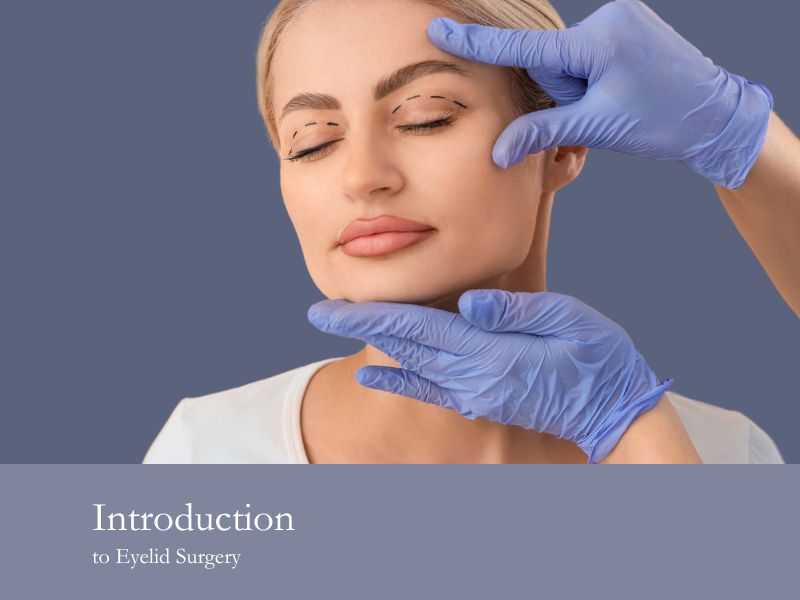
Eyelid surgery, also known as blepharoplasty, is a surgical procedure designed to result in improving the eyes appearance by removing excess skin, fat, and sometimes muscle. It can be performed on the upper eyelid, the lower eyelid, or both, depending on your needs and goals.
This plastic surgery procedure helps reduce droopy eyelids, under-eye bags, and signs of aging around the eyes. Many patients seek eyelid surgery to achieve a more youthful appearance while still looking natural and well-rested.
The healing process after eyelid surgery varies from person to person. Understanding the blepharoplasty recovery timeline helps set realistic expectations and reduces unnecessary worry during recovery.
Following a board certified plastic surgeon’s advice is essential for proper healing, optimal healing, and a smooth recovery.
Understanding Blepharoplasty Recovery
The recovery process after blepharoplasty surgery usually involves swelling and bruising around the eyes. This is a normal part of healing tissues and happens because the area around the eyes has delicate skin and strong blood flow.
Swelling and bruising can be managed with cold compresses, keeping the head elevated, and following proper postoperative care instructions. As healing progresses, swelling decreases and the eyelids gradually look more natural.
Blepharoplasty recovery time depends on several factors, including:
- Whether you had upper eyelid surgery, lower eyelid surgery, or both
- Your individual healing response
- Your overall health and blood pressure
- How closely you follow your surgeon’s instructions
Most patients see significant improvements within the first few weeks, even though full recovery takes longer.
Immediate Post-Surgery Care
Right after eyelid surgery, rest is essential. Patients are usually advised to go home the same day and begin their initial recovery period immediately.
Common experiences during this phase include:
- Swelling and bruising around the eyes
- Mild discomfort or tightness
- Blurry vision from ointments or prescribed eye drops
- Sensitive eyelids
To minimize swelling and alleviate discomfort:
- Apply cold compresses as instructed
- Keep your head elevated, even while sleeping
- Avoid strenuous activities and heavy lifting
- Follow all wound care guidelines
Most patients find discomfort manageable with prescribed medication and proper care.
First Week After Surgery
The first week is often the most noticeable part of the blepharoplasty recovery timeline. Swelling and bruising may increase during the first few days before they begin to improve.
During the first week, it’s important to:
- Keep the head elevated at all times
- Use cold compresses regularly
- Avoid intensive exercise and vigorous activity
- Follow wound care and incision care instructions
Suture removal often happens during this time, depending on the surgical technique used. Incision lines may appear red or slightly raised, but they are placed along natural creases to help them fade over time.
By the end of the first week, many patients notice significant improvements, even though residual bruising and swelling may still be present.
Blepharoplasty Recovery Timeline
Understanding the blepharoplasty recovery timeline helps answer the question: how long after blepharoplasty will I look normal?
First Week
- Significant swelling and bruising
- Mild discomfort and blurry vision
- Limited normal activities
Two Weeks
- Swelling and bruising significantly decreased
- Many patients feel comfortable returning to work
- Incision lines begin to soften
One Month
- Eyelids look more natural
- Residual swelling continues to improve
- Most normal activities can be resumed
Several Months
- Final results become visible
- Healing tissues settle completely
- Eyelids look refreshed and rejuvenated
Although full recovery can take several months, most patients look socially presentable within two weeks.
Managing Discomfort and Promoting Healing
Managing discomfort properly plays a key role in achieving a smooth recovery and faster recovery.
Helpful strategies include:
- Taking prescribed medications exactly as directed
- Using cold compresses to reduce swelling and bruising
- Practicing gentle movement to support blood flow
- Avoiding activities that raise blood pressure
Heavy lifting, bending, and intensive exercise can increase blood pressure and worsen swelling. Avoiding these helps promote proper healing and reduces recovery time.
Most patients experience only mild discomfort that fades as healing progresses.
Eye Care During Recovery
Eye care is especially important during blepharoplasty recovery because the eyes are sensitive and easily irritated.
Key eye care tips include:
- Use prescribed eye drops to keep eyes moist
- Avoid eye makeup until cleared by your eye surgeon
- Avoid wearing contact lenses during early recovery
- Keep the incision area clean and dry
Temporary dryness, watery eyes, or sensitivity to light are common. Wearing sunglasses helps protect the eyes from sun exposure and wind while healing tissues remain sensitive.
Resuming Normal Activities
Many patients are eager to resume normal activities as soon as possible. While light daily activities can often be resumed within days, more demanding activities require patience.
General guidelines include:
- Avoid strenuous activities and vigorous exercise for several weeks
- Avoid intensive exercise that increases blood flow to the face
- Resume gentle movement early, such as short walks
- Avoid heavy lifting until cleared by your surgeon
Most patients can resume normal activities within two weeks, but individual healing rates vary. Always follow your surgeon’s advice for the safest recovery process.
Achieving Full Recovery
Full recovery from blepharoplasty surgery takes time, but the results are often worth the wait. As residual swelling fades, the eyelids take on a more natural shape and blend smoothly with surrounding facial features.
With proper postoperative care and patience:
- Incision lines continue to fade
- Natural creases become more defined
- The eyes appear brighter and more youthful
Most patients achieve a rejuvenated appearance that looks refreshed rather than “overdone.” Following surgeon’s instructions closely is the best way to reach optimal healing and final results.
FAQ: How Long After Blepharoplasty Will I Look Normal?
How long after blepharoplasty will I look normal?
Most patients look socially presentable within two weeks, although mild residual swelling may remain. Full healing continues for several months, but significant improvements happen early in the recovery timeline.
Is eyelid surgery recovery painful?
Eyelid surgery recovery is usually associated with mild discomfort rather than pain. Most patients manage discomfort easily with prescribed medication and cold compresses.
When can I wear eye makeup again?
Eye makeup is usually avoided for at least two weeks. Your surgeon will advise you when it’s safe to resume makeup without affecting incision lines or healing tissues.
Can I wear contact lenses after blepharoplasty?
Contact lenses are typically avoided during the initial recovery period. Many patients can resume wearing contact lenses once swelling decreases and the surgeon gives approval.
What should I avoid during blepharoplasty recovery?
Avoid strenuous activities, heavy lifting, intensive exercise, and sun exposure. These activities can raise blood pressure and slow the healing process.
Schedule a Blepharoplasty Consultation With Dr. Zahedi
If you’re thinking about blepharoplasty to refresh the appearance of your eyes, schedule a personal consultation is the ideal place to start.
During your visit with Dr. Sanam Zahedi, you’ll have the opportunity to discuss your concerns, review your eyelids in detail, and learn what to expect during the recovery process. Dr. Zahedi will explain the procedure, outline a realistic healing timeline, and create a customized plan focused on safe healing and natural, balanced results.