
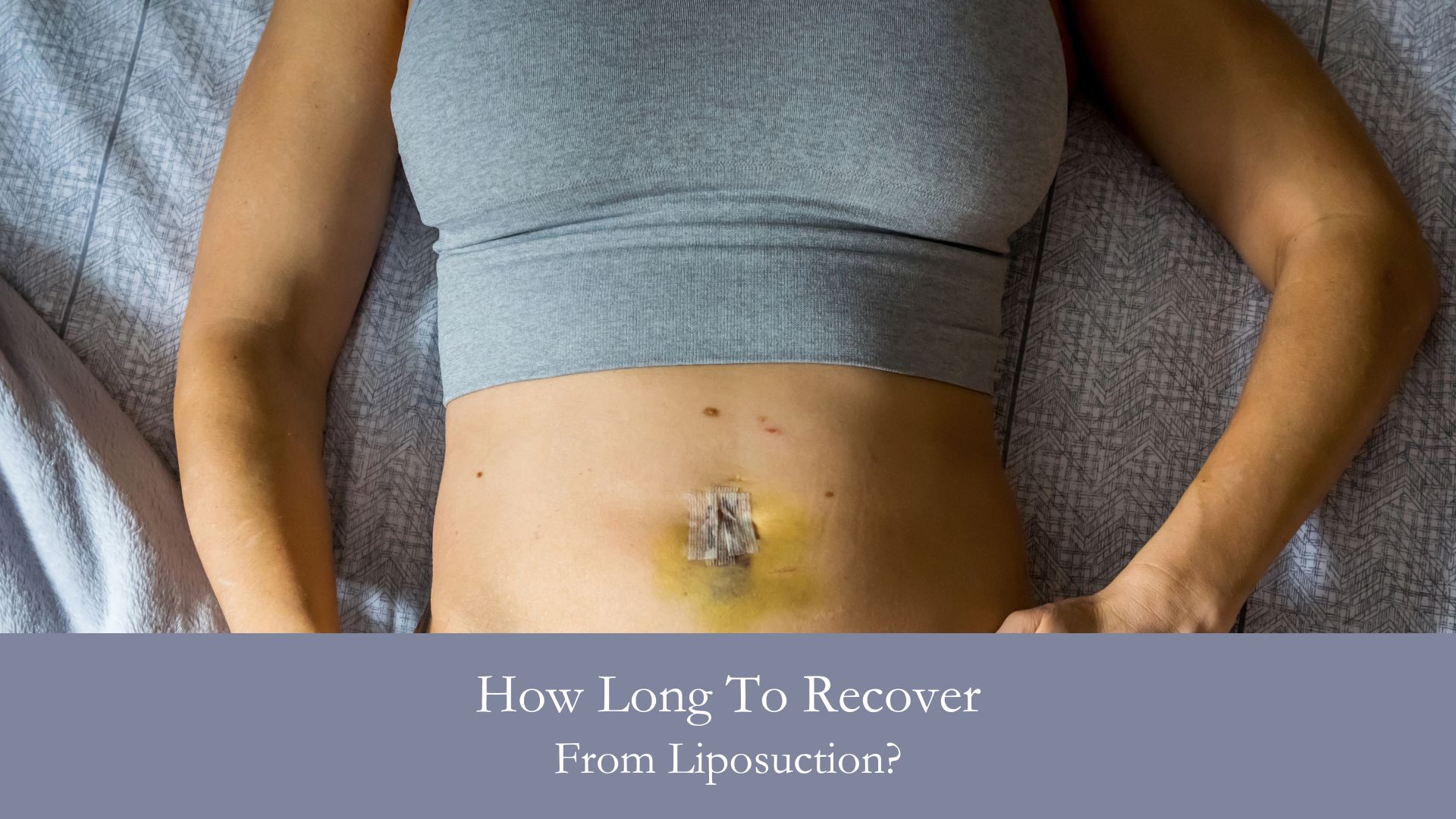
How Long To Recover From Liposuction is one of the most common questions people ask when planning liposuction surgery at Zahedi Plastic Surgery with Dr. Zahedi. Most patients want to know how many weeks it takes to heal, when they can return to normal activities, and what recovery really feels like. Liposuction is a minimally invasive way to remove unwanted fat, but understanding the recovery timeline helps you prepare, set realistic expectations, and enjoy your new shape safely under the care of Dr. Zahedi.
In this guide, you’ll learn what happens before, during, and after the liposuction procedure, along with clear recovery tips and a helpful week-by-week overview to support your healing journey.
Introduction to Liposuction Surgery
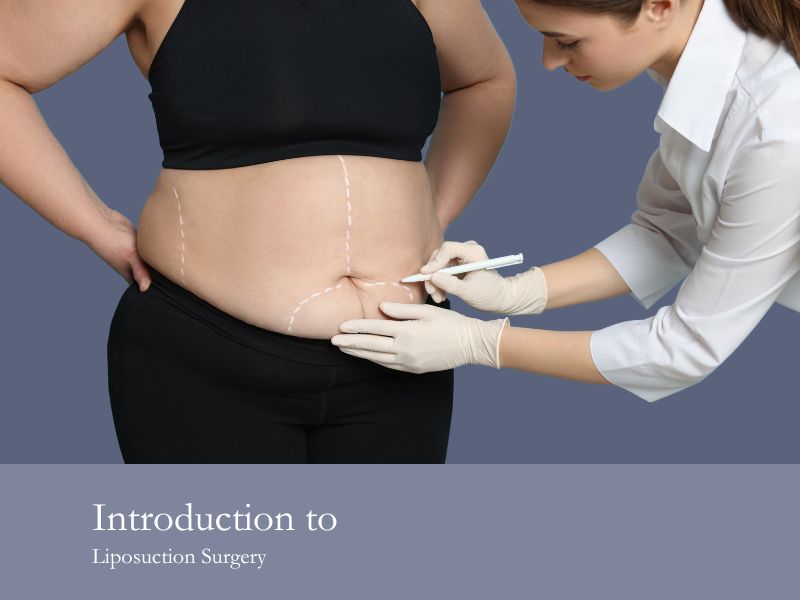
Liposuction surgery is a minimally invasive cosmetic procedure designed to remove unwanted fat from areas like the lower abdomen, thighs, hips, and arms. The goal of liposuction is to remove excess fat and create a smoother, more defined body contour. It works by targeting subcutaneous fat, the fatty tissue that sits just beneath the skin and can be resistant to diet and exercise.
A board certified plastic surgeon performs the procedure to ensure safety and reliable results. Liposuction can remove how much fat? Typically up to 10 pounds, although the final amount depends on the individual, the treatment area, and the type of liposuction technology used.
Liposuction is not a weight-loss procedure. Instead, it removes fat cells that tend to store fat, helping you refine areas that don’t respond to lifestyle changes. Some patients combine liposuction with a tummy tuck if they have excess skin or loose skin after removing unwanted fat.
Preparation for the Procedure
Good preparation plays a major role in ensuring a smoother recovery and safer results after liposuction.
Before the liposuction procedure, patients should have realistic expectations and understand that results appear gradually as swelling decreases. Maintaining a healthy diet and regular exercise beforehand can also support an easier recovery.
It’s recommended to avoid heavy lifting and intense workouts for at least two weeks before surgery. Smoking, alcohol, and certain medications should be stopped as well, since they can increase complications and swelling.
Patients should always share their full medical history with their plastic surgeon, including allergies, medications, and past surgeries, to ensure safe treatment planning.
Mental preparation is equally important. Liposuction involves small incisions, swelling, and temporary changes in skin sensation, normal parts of the healing process that improve over time.
The Liposuction Procedure
The procedure begins with the surgeon making small incisions in the targeted area. A thin tube called a cannula is then inserted to loosen and remove fat through suction. Liposuction may be performed under general anesthesia for larger or multiple treatment areas, or local anesthesia when only a small area is involved. With local anesthesia, the area becomes numb while the patient stays awake.
Liposuction is usually an outpatient procedure, so most patients return home the same day. The length of the surgery depends on several factors, including the amount of fat removed, the number of areas treated, and the patient’s overall anatomy and goals.
Since liposuction is a body contouring procedure, its purpose is to refine body shape, not to serve as a weight-loss method.
Post-Operative Care
After surgery, most patients experience swelling, bruising, and discomfort. This is all normal.
Common post-operative care steps include:
- Wearing a compression garment to reduce swelling, support the new contours, and improve blood circulation.
- Taking prescribed pain medication to manage discomfort.
- Keeping the incision sites clean and dry.
- Resting and avoiding strenuous activity during the first week.
The compression garment is crucial because it helps prevent fluid retention and supports the healing tissues so residual swelling is minimized.
First Week After Surgery
The first week is when patients typically feel the most swelling and bruising. Some may have significant swelling, especially in larger treatment areas like the abdomen or thighs.
Here’s what to expect during this time:
- Swelling can last four to six weeks, with the worst during the first 7–10 days.
- Light walking is encouraged to support blood circulation and help prevent blood clots.
- Do not drive while taking pain medication.
- Attend the scheduled follow-up visit with your plastic surgeon to check healing.
- Start drinking plenty of water to help the body recover.
Most people should rest, avoid chores, avoid work tasks, and let their body focus on healing.
Promoting Healing
Healing continues into the second week and beyond.
Useful tips to promote recovery include:
- Wearing the compression garment for four to six weeks to minimize swelling.
- Eating a healthy diet to fuel the healing process.
- Maintaining a healthy lifestyle after surgery to help preserve fat removal results.
- Gentle massages may improve skin sensation, reduce tightness, and help the skin adjust.
- Avoiding smoking and blood-thinning medications.
- Getting enough rest, especially during the first 2–3 weeks.
A few patients worry about scars, but liposuction scars are usually minimal. Over time, they fade as the body heals.
Returning to Normal Activities
How long to recover from liposuction? Most patients return to normal activities after about a month, although this varies with the area treated and how much fat was removed.
General recovery timelines:
- Up to two weeks: many people return to desk work or simple daily routines.
- Four to six weeks: avoid heavy lifting and vigorous exercise until your surgeon’s approval.
- Six weeks: most swelling improves, though minor residual swelling may remain for months.
- Several months: final results appear once all swelling resolves.
Patience is essential. Rushing recovery may cause complications like prolonged swelling, fluid buildup, or delayed healing in the treated areas.
Managing Scars
Liposuction leaves only small incisions, and these typically heal very well. Most patients notice minimal scarring because surgeons place incisions in natural creases or hidden areas.
To help scars heal properly, it’s important to follow all wound-care instructions from your surgeon. Avoid sun exposure until the scars lighten, and keep the skin moisturized once your surgeon approves it. You may also be advised to use scar creams or silicone products to support smoother healing.
Scar maturation can take up to a year, though many patients see noticeable fading within the first three to four months.
Choosing a Qualified Doctor
A safe and successful liposuction experience depends greatly on choosing a board-certified plastic surgeon. During your consultation, ask about their experience with liposuction surgery and review before-and-after photos to understand their approach and results. You should also discuss recovery expectations, how swelling and discomfort will be managed, and what post-operative care involves.
A qualified surgeon, such as Dr. Zahedi at Zahedi Plastic Surgery, will always explain the risks honestly and avoid promising unrealistic results. If a provider offers unusually low prices or encourages expectations that seem too good to be true, it may be a sign of limited experience or unsafe practices.
Understanding the Recovery Timeline
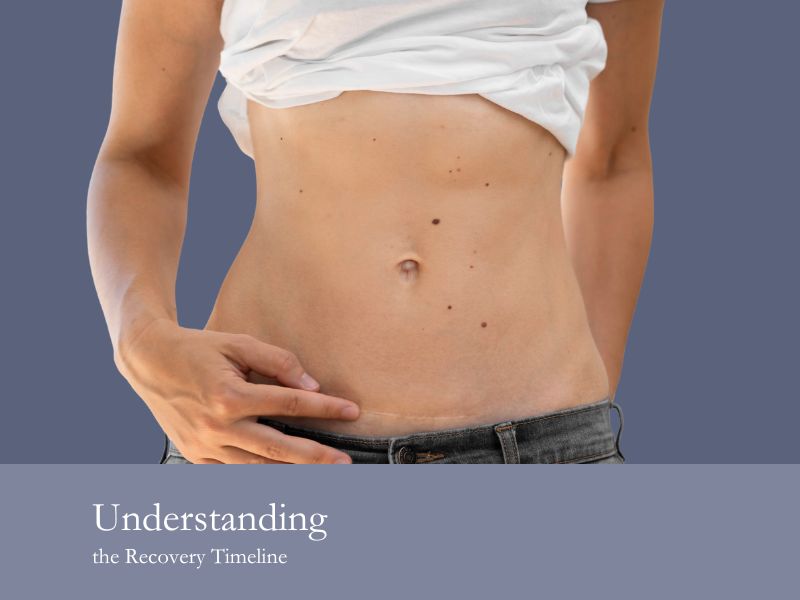
Recovery varies from person to person. However, most people follow a similar general timeline:
- First week: swelling, bruising, soreness; limited activity.
- Second week: discomfort improves; light duties resume; light walking continues.
- About a month: most swelling improves; people return to many normal routines.
- Four to six weeks: many restrictions end with your surgeon’s approval.
- Several months: remaining swelling fades; final results appear as the skin tightens around the new contours.
Skin adjusts slowly, so patients with more loose skin or a history of weight changes may need additional time or consider a tummy tuck to remove excess skin if needed.
A long-term healthy lifestyle, including diet and exercise, helps maintain results. Liposuction removes remaining cells, but the body can still store fat in other areas if weight is regained.
FAQs: How Long To Recover From Liposuction Procedure
How long does it take to recover from a liposuction?
Most patients want to know how long to recover from liposuction, and the typical answer is four to six weeks for major swelling to improve. Some residual swelling can last several months, but patients usually return to many normal activities in about a month. Final results appear once the skin tightens around the new shape.
How much fat can liposuction remove?
How much fat liposuction can remove safely varies, but most surgeons limit removal for safety. The procedure targets fatty tissue and subcutaneous fat, not weight loss. The goal is to remove unwanted fat and enhance contour, not drastically change body weight.
What helps reduce swelling after liposuction?
Swelling improves with a compression garment, light walking, and drinking plenty of water. These steps help minimize swelling, support blood circulation, and reduce the risk of blood clots. Always follow your plastic surgeon’s instructions for best results.
Do liposuction results last forever?
The fat cells removed during liposuction are permanently removed, but the body can still store fat in remaining cells if you gain weight. Maintaining a healthy lifestyle, including a stable healthy weight, supports long-lasting results.
Will I have scars after liposuction?
Liposuction scars are small because the small incisions heal well. Most people see their scars fade significantly over time, especially when following proper after-care. Good hydration, sun protection, and massage can improve skin healing.
When can I start exercising after liposuction?
Patients should avoid strenuous activity and heavy lifting for four to six weeks, depending on the area treated. Light activity like walking is encouraged early to improve recovery. Always wait for your surgeon’s approval before returning to full exercise routines.
Schedule Your Liposuction Consultation with Dr. Zahedi
If you’re considering liposuction and want personalized guidance for your body goals, scheduling a consultation with Dr. Zahedi at Zahedi Plastic Surgery is the best first step.
During your visit, Dr. Zahedi will evaluate your concerns, explain the procedure in detail, and help you understand what to expect throughout recovery. You’ll receive a customized treatment plan designed to achieve natural-looking results while prioritizing your safety and comfort. Reach out today to book your appointment and start your journey toward a more confident you.