
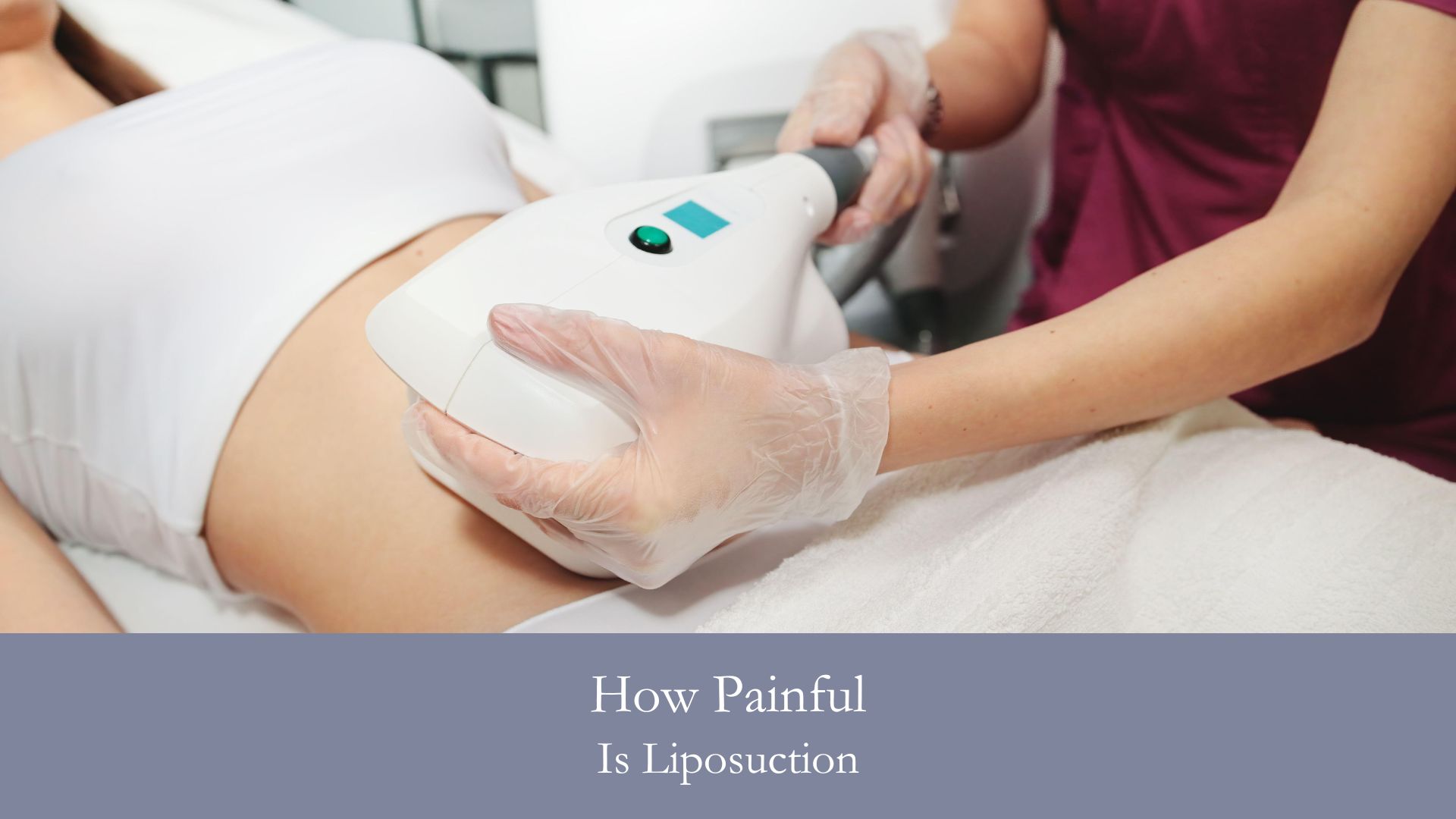
How Painful Is Liposuction is one of the most common questions patients ask when considering cosmetic liposuction at Zahedi Plastic Surgery. Pain is a valid concern, especially for people exploring body contouring for the first time and wanting to understand how much pain they may feel during and after the procedure.
While the liposuction procedure is not completely pain free, most patients describe the experience as temporary discomfort rather than intense pain. With proper pain management, appropriate anesthesia, and care from an experienced surgeon, the recovery process is usually smooth and manageable for most patients.
Introduction to the Liposuction Surgical Procedure
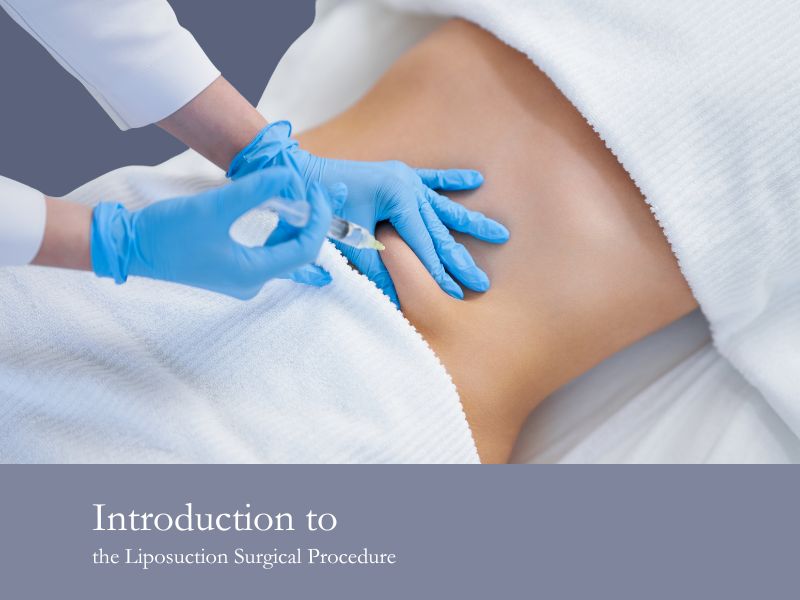
Liposuction is a surgical procedure designed to remove excess fat and improve overall body contouring. It targets stubborn fat deposits that do not respond to diet or exercise, even in people who maintain a healthy diet and active lifestyle.
The goal of liposuction is to remove fat, reshape specific liposuction areas, and enhance natural body proportions. Understanding how the procedure works helps patients set realistic expectations about liposuction pain, recovery time, and long-term liposuction results.
Liposuction varies in technique, including traditional liposuction, laser assisted liposuction, and ultrasound assisted liposuction, each affecting pain levels, swelling, and the recovery process differently.
Types of Liposuction
There are several types of liposuction, all designed to remove unwanted fat while protecting surrounding tissues and improving comfort.
Traditional Liposuction
Traditional liposuction uses a thin tube, called a cannula, to break up and suction out fatty tissue. This technique is effective for fat removal but may cause more swelling and bruising, especially in the initial few days.
Patients may experience moderate pain or soreness similar to muscle pain after an intense workout. This discomfort typically improves within the first few weeks.
Laser Assisted Liposuction
Laser assisted liposuction uses laser energy to liquefy fat cells before removal. This allows for smoother fat extraction and may help reduce swelling and bruising.
Many patients find this assisted liposuction method leads to less post operative discomfort and a smoother recovery.
Ultrasound Assisted Liposuction
Ultrasound assisted liposuction uses sound waves to break down stubborn fat while minimizing trauma to surrounding tissues. This technique can be helpful in areas with dense fat.
Because it is more precise, patients often report less significant discomfort during the recovery period.
Anesthesia Options
Anesthesia plays a major role in whether patients feel pain during liposuction.
General Anesthesia
General anesthesia puts patients completely asleep during the procedure. Patients do not feel pain during surgery, and discomfort begins only after anesthesia wears off.
This option is often used when treating multiple areas or removing a larger amount of excess fat.
Local Anesthesia
Liposuction with local anesthesia numbs the treatment area while the patient remains awake. This is commonly used for smaller areas and tumescent liposuction.
With local anesthesia, patients often wonder how painful is liposuction under local anesthesia, but most report feeling pressure or movement rather than pain while the fat is removed. The treatment area is fully numbed, which helps keep discomfort minimal during the procedure.
Understanding Liposuction Pain
Liposuction removes excess fat through small incisions using a cannula to suction out fatty tissue. The procedure is performed under anesthesia to manage pain during surgery.
After surgery, liposuction pain usually feels like soreness, tightness, or bruising rather than severe pain. Some patients compare it to muscle soreness after strenuous activity.
Liposuction does not treat excess skin. If skin loses elasticity or there is excess skin, additional procedures may be needed.
Managing Pain After Liposuction
Effective pain management is essential for a smooth recovery.
Pain control typically includes:
- Prescribed pain medication
- Over-the-counter pain relievers
- Wearing a compression garment
- Rest and limited movement during the initial few days
An experienced surgeon tailors pain management to your pain tolerance, treatment area, and how much fat is removed. Proper pain control supports the body’s natural healing process.
Liposuction Recovery Timeline
The liposuction recovery timeline varies depending on the individual, the fat removed, and the liposuction areas treated.
Initial Few Days
During the first few days, swelling and bruising are common. Pain and discomfort are expected but usually discomfort manageable with medication and rest.
First Few Weeks
Most patients begin to feel better within the first few weeks. Swelling decreases, mobility improves, and post operative discomfort lessens.
Light activity is allowed, but strenuous exercise and intense workout routines should be avoided.
Full Recovery
Full recovery usually takes a few weeks, though final liposuction results may take longer as swelling fully resolves.
Post-Operative Care
Post operative care is critical for minimizing pain and supporting healing.
Important steps include:
- Wearing a compression garment to minimize swelling
- Avoiding strenuous exercise
- Keeping incision sites clean
- Attending follow-up appointments
Following instructions helps reduce swelling, manage pain, and lower the risk of complications such as blood clots.
Scarring and Exercise
Liposuction incisions are small and usually placed in discreet areas. Scarring is typically minimal.
Exercise guidelines often include:
- Avoiding strenuous exercise for 4–6 weeks
- Gradually resuming activity
- Following surgeon-specific instructions
Proper rest helps reduce pain and supports healing.
Importance of Realistic Expectations
Setting realistic expectations helps patients stay confident throughout recovery.
Discussing pain levels, how much pain to expect, and concerns with your plastic surgeon allows for personalized care. Understanding that discomfort is temporary helps patients remain patient and focused on results.
Qualifications of Your Surgeon
Choosing a board-certified plastic surgeon is essential for safety, comfort, and successful results.
At Zahedi Plastic Surgery, Sanam Zahedi, MD uses advanced techniques, prioritizes personalized pain management, and provides clear recovery guidance. With the support of a skilled surgical team, patients are cared for at every stage of their liposuction journey, from consultation to recovery.
Preparation for Liposuction
Preparing for liposuction includes understanding the procedure, risks, and recovery.
Preparation steps include:
- Discussing goals with a plastic surgeon
- Understanding liposuction cost
- Following pre-surgery instructions
Maintaining a healthy diet and stable weight supports healing and reduces risks.
Aftercare Instructions
Aftercare instructions are crucial for minimizing pain and supporting healing.
These include:
- Taking medications as directed
- Avoiding strenuous exercise
- Monitoring treated areas
- Ignoring aftercare can increase pain and delay healing.
Lifestyle Changes After Liposuction
Liposuction does not prevent future weight gain. Patients can still gain weight if lifestyle habits change.
Long-term success includes:
- Eating healthy
- Maintaining regular exercise after recovery
- Avoiding excessive weight gain
A balanced lifestyle helps preserve results.
Difference Between Liposuction and Tummy Tuck Surgery

The difference between liposuction and tummy tuck is important to understand. Liposuction removes fat but does not address excess skin or muscle separation.
A tummy tuck treats excess skin and tightens muscles, while liposuction focuses on fat removal only.
How Painful is a Tummy Tuck with Liposuction?
A tummy tuck with liposuction is generally more painful than liposuction alone, but the discomfort is usually temporary and manageable. Most patients describe moderate to significant discomfort during the first few days, especially when moving, standing upright, or coughing. Pain is strongest early on and improves steadily over the first 1–2 weeks with proper pain management, prescribed medication, and rest.
Age for Liposuction
There is no single ideal age for liposuction, but candidates should have stable weight and good overall health. Skin quality and healing ability are more important than age alone.
Conclusion
Liposuction is a safe and effective procedure for removing stubborn fat and improving body contouring. While liposuction pain varies, most patients experience moderate pain or soreness rather than more significant discomfort.
Understanding the procedure, recovery, and risks helps patients make informed decisions. Choosing an experienced surgeon and following post operative instructions are key to a smooth recovery and satisfying results.
FAQs: How Painful is Liposuction?
How painful is liposuction recovery?
Liposuction recovery usually involves moderate pain rather than severe discomfort. Most patients report soreness and tightness that improves within the first few weeks. Pain medication helps manage discomfort effectively.
Do patients feel pain during the liposuction procedure?
Patients do not feel pain during surgery due to general anesthesia or local anesthesia. Some pressure may be felt, but pain is controlled until anesthesia wears off.
Is liposuction pain intense?
Most patients do not experience intense pain. Discomfort is usually temporary and manageable with proper pain management and rest.
Does laser assisted liposuction hurt less?
Laser assisted liposuction may cause less swelling and bruising, which can reduce post operative discomfort. Pain levels still vary by individual and treatment area.
Can pain levels vary between patients?
Yes, pain levels depend on pain tolerance, how much fat is removed, and the technique used. Liposuction varies from patient to patient.
Is liposuction worth it despite the pain?
Most patients find the discomfort manageable and feel the long-term liposuction results are worth it. Proper care and realistic expectations improve satisfaction.
Schedule a Liposuction Consultation at Zahedi Plastic Surgery
If you are considering liposuction and want clear answers about pain, recovery, and results, scheduling a consultation at Zahedi Plastic Surgery is the best next step.
During your consultation with Sanam Zahedi, MD, you will receive a personalized evaluation, discuss your aesthetic goals, review potential liposuction areas, and learn what to expect throughout the recovery process. This one-on-one visit allows you to set realistic expectations, understand pain management options, and determine whether liposuction is the right body contouring solution for your needs.