
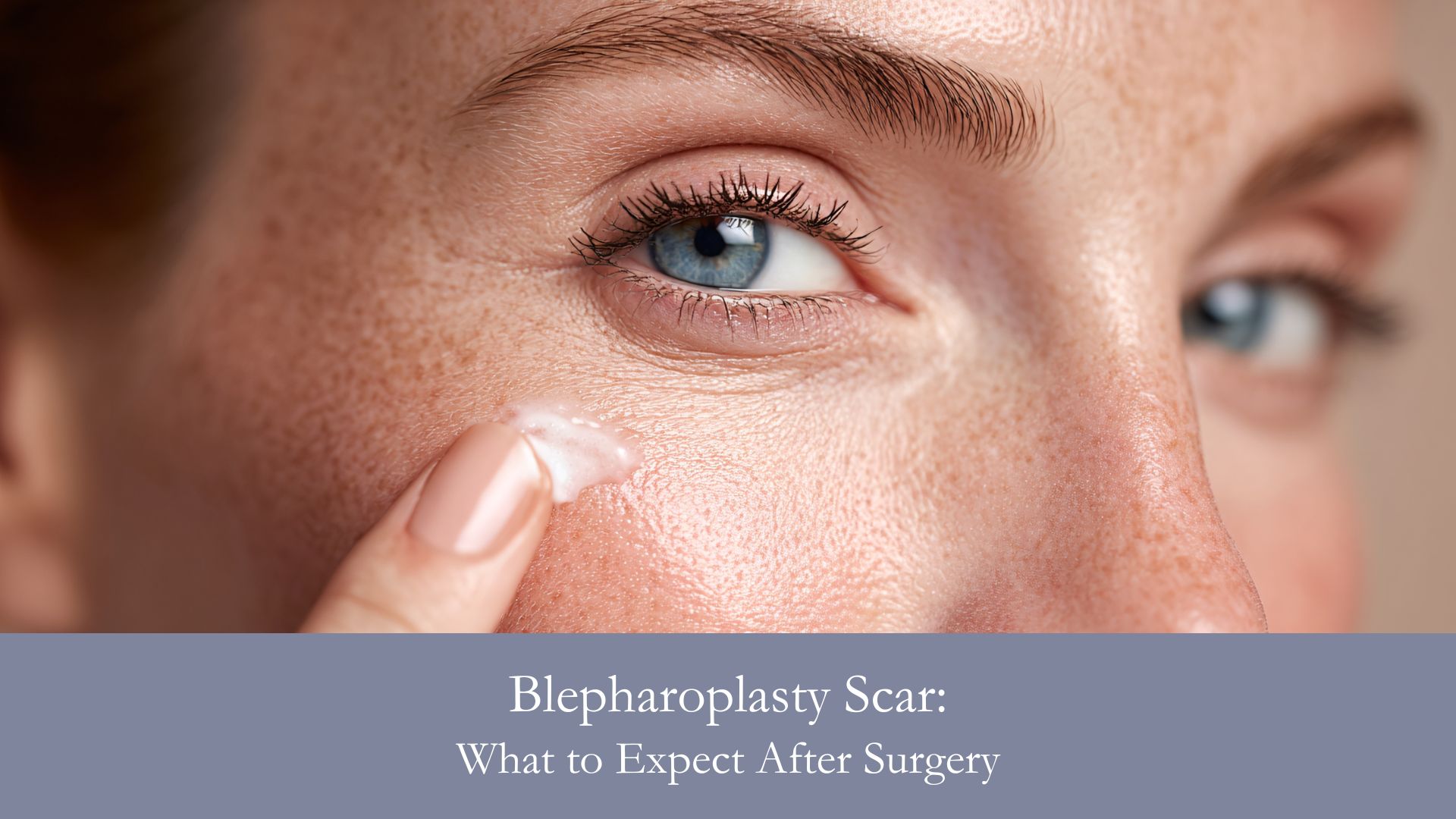
A Blepharoplasty Scar is one of the top concerns patients have when thinking about eyelid surgery. Because the eyelids have delicate skin, many people want to know how scars form, where they are placed, and how visible they will be once healed.
Blepharoplasty, also known as eyelid surgery, is a cosmetic procedure that removes excess skin, excess fat, and sometimes muscle from the upper or lower eyelids. When performed by Sanam Zahedi, MD – Zahedi Plastic Surgery, the procedure refreshes the eyes, improves symmetry, and often creates a brighter and more youthful appearance, all while keeping scars as minimal as possible.
Understanding the Basics of Blepharoplasty
Blepharoplasty is designed to correct excess eyelid skin, sagging upper lids, puffy lower lids, or under-eye bags. Many patients undergo this surgery to look more awake and rested, while others need it to improve vision that may be blocked by loose upper eyelid skin.
A board-certified plastic surgeon or board-certified cosmetic surgeon will examine your eyelid anatomy, skin type, and goals to create a customized plan. Their experience and incision placement choices are essential in reducing the visibility of blepharoplasty scars.
Types of Blepharoplasty
Blepharoplasty can be performed on the upper eyelids or the lower eyelids, depending on your concerns and the changes you want to achieve.
Upper Blepharoplasty
Upper blepharoplasty targets sagging or drooping upper eyelids. It removes excess skin and fat and defines a natural eyelid crease. This surgery is extremely common and typically involves placing the incision directly inside the natural crease of the upper lid.
How Upper Eyelid Surgery Works
During upper eyelid surgery:
- The surgeon makes a fine incision in the natural eyelid crease
- Excess skin, and sometimes excess fat, are removed
- The remaining skin is gently tightened
- Incision lines are closed with small sutures
When done correctly, upper blepharoplasty scar usually appear as a thin, faint line hidden within the crease.
Benefits of Upper Blepharoplasty
- Smoother and more refreshed upper lids
- Improved vision (for some patients)
- Natural-looking crease formation
- Minimal scarring when healed properly
Most patients return to work in less than a week and see final results as swelling decreases over several months.
Lower Blepharoplasty
Lower eyelid surgery helps correct puffiness, under-eye bags, and wrinkles. Because the lower eyelids are extremely delicate, incision placement is important for achieving minimal scarring.
Types of Lower Eyelid Incisions
There are two common approaches:
1. Subciliary Incision (Below the Lower Lash Line)
This incision is placed just beneath the eyelashes. It allows the surgeon to remove skin, reposition fat, and smooth wrinkles.
Although it can leave lower blepharoplasty scar, these scars typically heal into a fine, light line.
2. Transconjunctival Incision (Inside the Eyelid)
This technique hides all incisions inside the inner eyelid.
There are no external eyelid scars, making it ideal for:
- Younger patients
- Those with elastic skin
- Individuals needing fat repositioning instead of skin removal
Lower Eyelid Scar Expectations
Most patients experience:
- Slight redness in early healing
- Fading of the scar within months
- Blending of the line with the surrounding skin
A skilled blepharoplasty surgeon will evaluate your skin elasticity, lower lash line position, and fat distribution before selecting the right method.
Double Eyelid Surgery (Asian Blepharoplasty)
Asian blepharoplasty, also called double eyelid surgery, creates a defined upper eyelid crease where one does not naturally exist.
Proper incision placement is key to achieving a smooth, balanced crease, less noticeable scars, and a natural-looking fold that fits the patient’s facial anatomy. Because the eyelid skin is delicate and heals quickly, a well-performed double eyelid procedure often leads to minimal scarring, especially when proper aftercare is followed.
Understanding How Blepharoplasty Scars Form
Why Scars Develop
All surgeries involve incisions that create scar tissue. With eyelid procedures, though, scars tend to be lighter because the eyelid skin is the thinnest skin on the body. This unique feature helps produce healed blepharoplasty scars that are softer and more subtle than scars in other regions.
Factors That Affect Scar Appearance
The appearance of a blepharoplasty scar depends on several factors, including your skin type, age, overall skin health, genetics, how much excess skin and fat were removed, the surgeon’s technique, how well you follow post-operative care, the amount of sun exposure, and the way your body forms collagen. Patients with more elastic skin, often younger individuals, typically heal with softer and thinner scars.
Recovery Blepharoplasty Scar Healing: Week by Week
0–7 Days: Immediate Recovery
- Incision lines look pink or red
- Mild swelling and bruising
- Soreness or tightness around the eyelids
- The early formation of scar tissue
2–4 Weeks: Early Scar Improvement
- Bruising fades
- Scars become less red
- Most patients resume normal routines
- Makeup can often be applied to mask redness
3–6 Months: Scar Maturation
- Scars soften
- Redness lightens significantly
- Upper eyelid scars blend into the natural crease
6–12 Months: Final Scar Appearance
- Scars after blepharoplasty are usually very faint
- Some patients see their scars fade almost completely
- Proper scar care improves texture, color, and smoothness
If scars remain raised, red, or uneven, a follow-up with your surgeon is recommended to avoid developing bad blepharoplasty scars.
How to Minimize Scarring After Blepharoplasty
Follow Your Surgeon’s Instructions
The most important part of achieving minimal scarring is following surgeon’s instructions. Good aftercare supports the healing process and reduces the risk of noticeable scars.
Best Practices for Proper Aftercare
- Keep incision sites clean
- Avoid rubbing the eyes
- Apply prescribed ointments
- Use cold compresses during the first 48 hours
- Sleep with your head elevated
- Avoid strenuous activities
- Stop smoking during recovery
Protect Your Scars from Sun Exposure
Sun exposure is one of the main reasons scars darken, so protecting the area is essential. Always wear sunglasses, apply SPF once your surgeon approves it, and avoid direct sunlight for several weeks. Healing scars burn easily and can become permanently pigmented if not properly protected.
Scar Treatments That Help Improve Blepharoplasty Scars

Silicone Gel and Silicone Gel Sheets
One of the most effective ways to improve the appearance of a blepharoplasty scar is through silicone-based products.
Benefits of silicone gel sheets and silicone gel:
- Softens scar tissue
- Reduces redness
- Improves texture
- Helps flatten lumpy scars
These treatments are widely recommended by plastic surgeons.
Laser Therapy and Laser Resurfacing
Laser treatments help refine:
- Upper blepharoplasty scars
- Lower blepharoplasty scars
- Thickened or uneven incision sites
Laser resurfacing can brighten scars, smooth wrinkles, and enhance smoother skin around the eyelid area.
The Importance of Choosing an Experienced Surgeon
A skilled blepharoplasty surgeon, such as Sanam Zahedi, MD – Zahedi Plastic Surgery, selects the correct incision placement, uses refined surgical techniques, and provides clear aftercare guidance, all essential for producing less noticeable scars.
Experience matters because:
- Precise incision lines prevent irregularities
- Proper removal of excess skin prevents tension on the scar
- Correct fat repositioning avoids unevenness
Working with a reputable surgeon reduces the chance of bad blepharoplasty scars, lumpy scars, or prolonged redness.
FAQs: Blepharoplasty Scar Questions
How visible is a blepharoplasty scar after healing?
Most blepharoplasty scars fade into the natural folds of the eyelids. Upper eyelid surgery hides scars in the natural crease, while lower eyelid surgery places them along the lower lash line. With proper aftercare, scars usually become barely visible.
How long does it take for eyelid surgery scars to fade?
The average healing timeline is 3–6 months, but scars may continue improving for up to one year. Many patients see their upper blepharoplasty scars and lower blepharoplasty scars become thin, light, and smooth with good care and silicone treatments.
Can you prevent bad blepharoplasty scars?
Choosing an experienced surgeon, following proper post operative care, and avoiding sun exposure are key. Silicone gel, gentle massage, and overall healthy skin habits also reduce the risk of noticeable scars or scars that darken.
Does insurance cover eyelid surgery?
Insurance may cover eyelid surgery only when it is medically necessary, such as when drooping upper eyelids significantly block vision. Cosmetic blepharoplasty is not covered by insurance. Your surgeon may perform visual field testing to determine eligibility.
What is botched eyelid surgery?
Botched eyelid surgery refers to eyelid results that look unnatural or cause functional problems after blepharoplasty. This may include asymmetry, difficulty closing the eyes, excessive skin removal, noticeable scarring, or changes in eyelid shape.
Schedule Your Blepharoplasty Consultation
If you’re considering blepharoplasty, the next step is meeting with Sanam Zahedi, MD – Zahedi Plastic Surgery to discuss your goals and evaluate your needs.
Schedule your personalized consultation allows Dr. Zahedi to examine your eyelids, review your concerns, and recommend the best approach for natural, balanced, and long-lasting results. Scheduling your visit is the most reliable way to understand what the procedure can achieve and whether it’s the right option for you.