
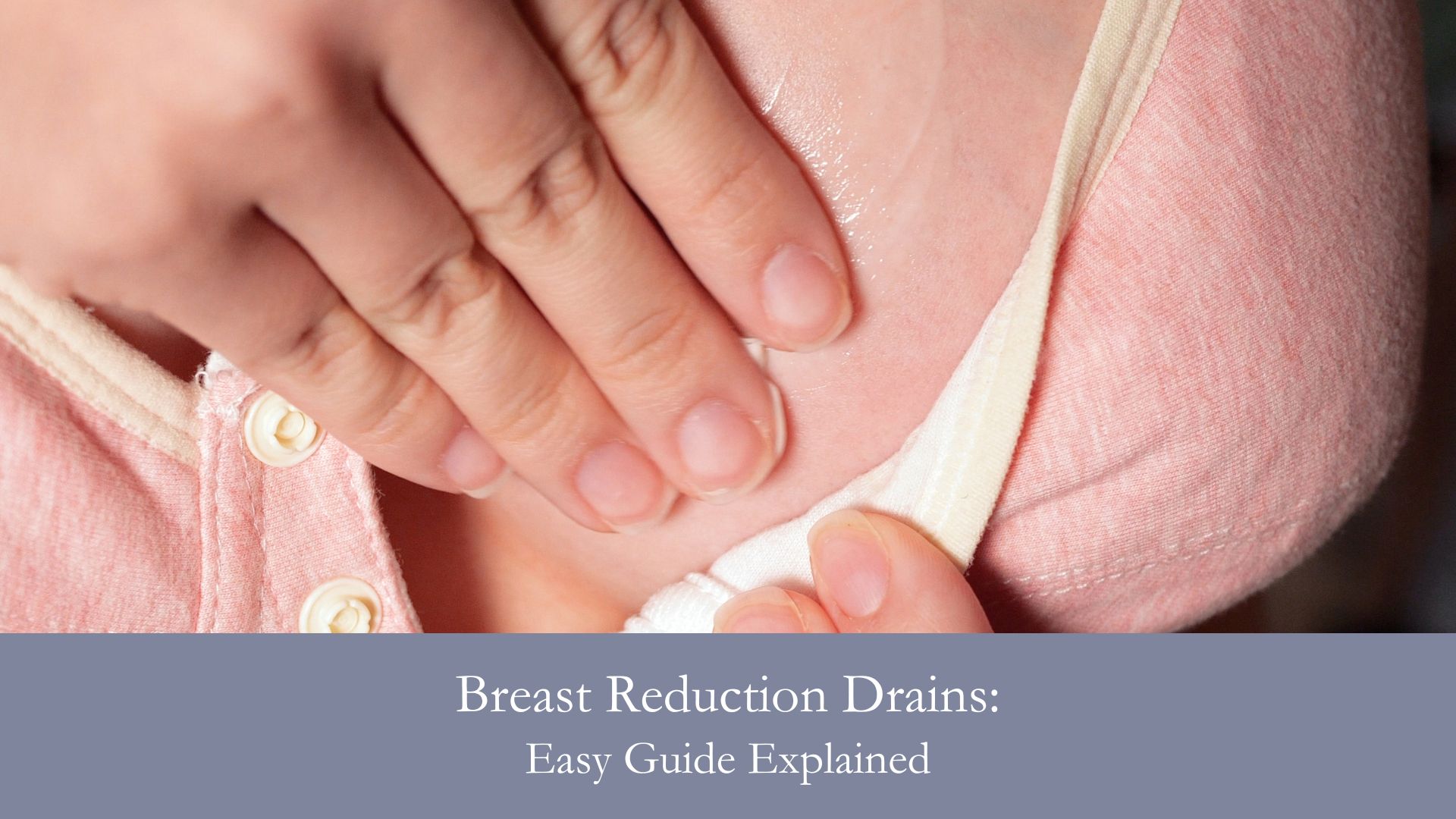
Breast Reduction Drains are a common part of recovery after breast reduction surgery, a procedure that removes excess breast tissue, fat, and skin to improve comfort and reduce physical strain.
At Zahedi Plastic Surgery with Dr. Sanam Zahedi, many patients learn that drains help the body manage fluid that naturally collects after surgery, preventing fluid build up and lowering the risk of postoperative complications. Dr. Zahedi’s careful approach helps patients feel reassured during the early healing process and supported throughout their recovery.
Understanding Drains After Breast Reduction
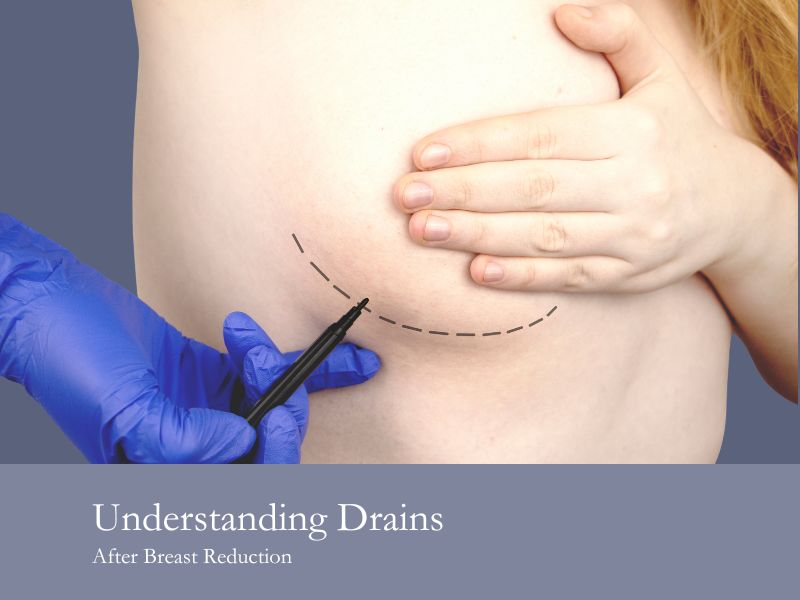
Surgical drains are small plastic tubes placed beneath the skin to remove serous fluid, blood, and other fluids from the surgical site. They help eliminate dead space created when breast tissue is removed, significantly lowering the risk of seroma or hematoma. Many patients feel unsure at first, but drains are temporary, easy to maintain, and essential in certain cases.
Some surgeons use drainage tubes routinely, while others use them selectively based on the patient’s risk factors, the surgical technique, and whether the procedure is combined with a tummy tuck, breast augmentation, or breast reconstruction procedures. A drain system such as a Jackson Pratt uses gentle suction to remove excess fluid. Drains are usually removed once output decreases to 30–40 ml per day, and most patients report only mild discomfort.
You may require drains if:
- A large amount of breast tissue is removed
- The procedure creates more dead space
- You are considered a high risk patient for fluid collection
- You combine reduction mammoplasty with other reconstructive surgery
Breast Reduction Drains Care and Management
Caring for breast reduction drains is simple once you learn the routine. Daily surgical drain care helps prevent infection, irritation, or other postoperative complications.
Key care steps include:
- Emptying the drain system several times per day and recording output
- Compressing the bulb to maintain gentle suction
- Cleaning the drain site and incision site with soap and water
- Keeping a clean dressing over the area to protect the surgical area
Patients may receive pain medication to ease discomfort, especially when moving their upper body. You should avoid pulling on the tubes and limit strenuous motion until the drains are removed. Many patients become comfortable with their drains within the first 24 hours.
Regular follow-ups allow your surgeon to evaluate drain usage, drainage levels, swelling, and any signs of complications such as wound dehiscence or fluid collection. Good care supports a smooth healing process and reduces the need for intervention.
Outcome Assessment and Measures
Outcome measures for breast reduction surgery include pain, swelling, fluid output, and overall satisfaction. Surgeons also monitor postoperative complications, aesthetic results, and healing of one or two breasts.
Research within plastic and reconstructive surgery has attempted to evaluate whether drains produce a statistically significant difference in outcomes. Some randomised trials found no significant difference between a drain group and a no-drain group, although evidence varies depending on:
- Study characteristics
- Sample size
- Methodological quality
- Allocation concealment
- Differences in surgical technique
A systematic review of reduction mammoplasty studies found no definitive benefit or harm from drain use. However, many surgeons still choose to use drains to prevent fluid collection in high-risk patients. Because each patient’s body, incision pattern, and tissue removal amount differ, outcome assessors must individualize evaluation.
Drain Removal and Follow-Up Care
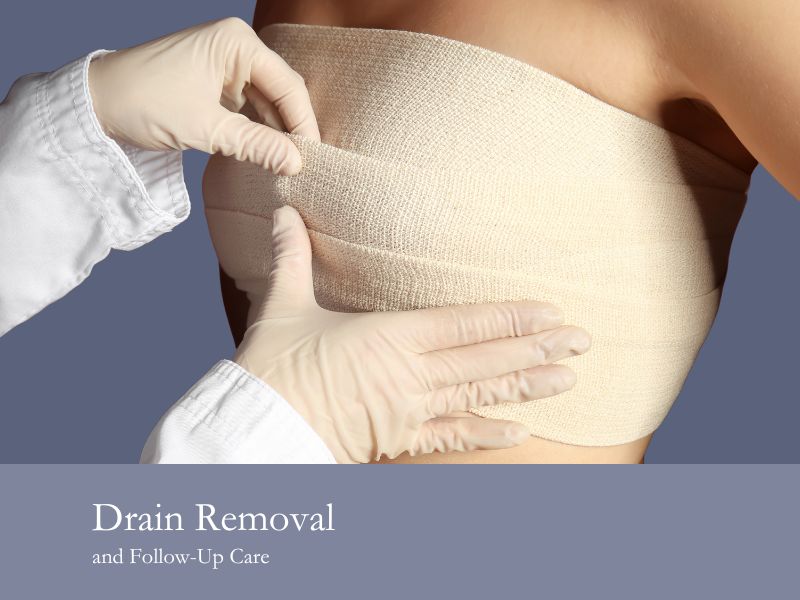
Most patients feel relieved when their drains are removed, which usually happens in a quick office visit. After output drops below target levels, the surgeon gently withdraws the tube from the drain site, places a small bandage, and gives further guidance. The process is brief and typically well tolerated.
After removal, patients continue monitoring the surgical site for swelling, redness, or new fluid buildup. Avoiding heavy lifting, exercise, or bending supports proper recovery. Follow-up appointments help the surgeon check for infection, other complications, or healing concerns related to both breasts.
Patients who also undergo breast reconstruction, procedures after breast cancer, or additional surgeries such as breast augmentation may need extended monitoring. A detailed postoperative plan helps reduce complications and ensures stable results.
FAQs: Breast Reduction Drains
What are breast reduction drains and why are they necessary?
Breast reduction drains are small plastic tubes placed to remove excess fluid and prevent seroma or infection after reduction mammoplasty. They help lower postoperative complications and support a smoother healing process. Many patients find that drains make recovery more predictable.
How long do drains stay in after breast reduction?
Most patients keep their drains for a few days. The surgeon removes them once daily drainage declines to roughly 30–40 ml. Drain removal is typically fast and causes only mild pressure.
Do all patients require drains after breast reduction?
Not everyone requires drain placement. Surgeons consider the amount of breast tissue removed, risk factors, and the specific surgical technique. Some patients with minimal dead space may not need drains at all.
Are drains painful or uncomfortable?
Most patients feel mild discomfort from drainage tubes, especially when moving or cleaning the area. Pain medication helps manage this. Removing the drains usually takes only seconds and is tolerated well by most patients.
What complications should I watch for with breast reduction drains?
Watch for redness, fever, unusual swelling, bad odor, or a significant increase in fluid output. These signs may indicate infection or complications. Prompt follow-up with your plastic surgeon prevents issues from progressing.
Can drains be used in other breast surgeries?
Yes, drains may also be used in breast augmentation, breast reconstruction, and reconstructive procedures related to breast cancer. Their purpose is similar: removing fluid and preventing complications.
Schedule Your Breast Reduction Consultation at Zahedi Plastic Surgery
If you’re considering Breast Reduction, the best next step is meeting with Dr. Sanam Zahedi at Zahedi Plastic Surgery to discuss your goals, concerns, and expected results.
Dr. Zahedi will evaluate your anatomy, review your medical history, and explain whether drains may be part of your recovery plan. Scheduling a personal consultation gives you the chance to understand the procedure in detail and receive a customized treatment approach designed for your comfort, safety, and long-term results.