

Labiaplasty surgery is a type of cosmetic surgery that reduces the labia minora. Some women choose it to relieve rubbing, pain, or pulling during movement. Others want to remove excess tissue for appearance, and many also consider the cost of labiaplasty surgery when deciding on the procedure.
Prices vary. The cost of labiaplasty depends on the clinic, the experience of the plastic surgeons, and whether the procedure uses local anesthesia or general anesthesia. Most health insurance plans do not cover labiaplasty, unless there’s a clear medical need.
What Factors Go Into the Average Cost of Labiaplasty Surgery?
Surgeon fees, anesthesia, and location all affect the cost of labiaplasty. Experience matters as well. Plastic surgeons with strong reputations charge more. A high-end clinic in a major city costs more than a local office.
Most labiaplasty surgeries are done with local anesthesia. Some use general anesthesia, which raises the price. The size of the labia minora, the amount of excess tissue, and whether clitoral hood reduction is included all affect cost.
Some women require more shaping, which can be time-consuming and precise. The more complex the work, the higher the fee.
Health insurance rarely pays. It won’t cover labiaplasty unless a doctor proves there’s a medical reason. Even then, approval is hard to get.
What is Treated During Surgical Labiaplasty?
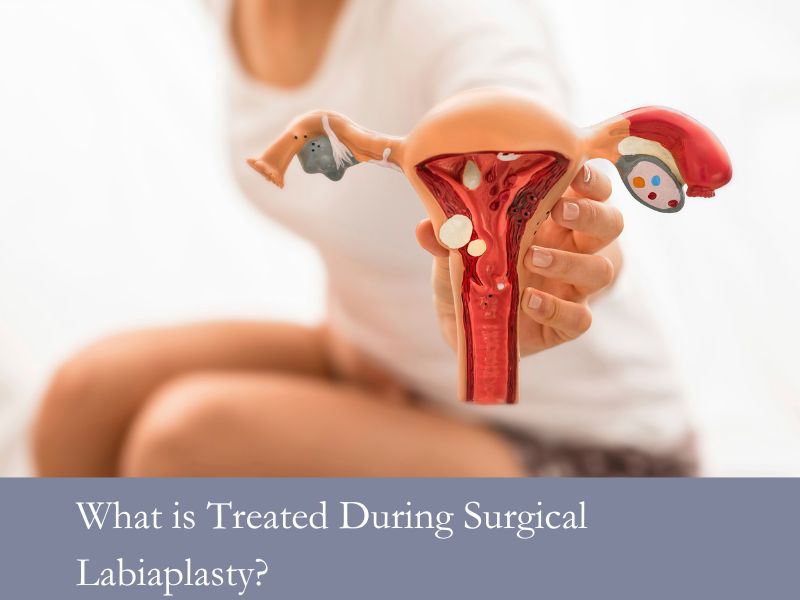
Labiaplasty surgery focuses on the labia minora, the inner folds of the female genitalia. Some women are born with long or uneven labia. Others develop enlarged labia after childbirth, aging, or hormonal shifts.
The labiaplasty procedure removes excess tissue to shorten or reshape the area. It can be done for aesthetic reasons, physical discomfort, or both. Some patients have trouble with certain clothes, exercise, or sexual intercourse. Others simply want a more balanced look.
Many choose to include clitoral hood reduction. This removes excess skin around the clitoral hood for a cleaner contour. When done carefully, this step does not affect sensation.
The goal is to reduce bulk, create symmetry, and relieve friction. Some plastic surgeons also offer a wedge labiaplasty, which keeps the natural edge of the labia intact while removing volume from the center. Technique depends on anatomy, goals, and procedure complexity.
Clitoral Hood Reduction
Some labiaplasty procedures include clitoral hood reduction. This cosmetic surgery removes excess skin that gathers around the clitoral hood, especially in patients with enlarged labia or visible folds that extend past the labia minora.
The goal is a smoother, more balanced appearance. In some cases, reducing the hood can improve sensation by reducing skin bulk without affecting nerves. In others, it helps with hygiene or irritation.
This step is often done during the same plastic surgery procedure as labia reduction, but not always. It depends on aesthetic desires, anatomy, and what the patient wants to change.
A board-certified plastic surgeon can explain how the tissues interact and whether it makes sense to combine labiaplasty techniques.
Sexual Function Restoration
Some women choose labiaplasty surgery because sexual intercourse is painful. The labia minora can pull or twist during intercourse. Others feel constant pressure from enlarged labia, even when they sit or walk.
Removing excess tissue can reduce pain. In some cases, trimming that skin leads to better exposure and comfort. It does not increase sensation, but it removes what’s causing discomfort.
Cosmetic Improvements of Labiaplasty Surgery
Some women choose labiaplasty surgery because of how it looks. They don’t like the shape or length of the labia minora. Others want better symmetry or a smoother line. The goal is often a smaller, neater contour that fits the body better.
These are personal choices. There is no right or wrong shape. But when the labia are long, uneven, or bulky, it can affect self-confidence. Clothing fits differently. The skin may be visible through tight underwear or swimsuits.
A cosmetic procedure can reduce the tissue and reshape the area. Some women also choose to adjust the clitoral hood or combine the surgery with other cosmetic procedures for a more refined look.
The results vary. Some want a slight trim. Others want a full contour change. In all cases, the goal is to reduce aesthetic concerns and make the patient more comfortable in her own body.
Does Health Insurance Cover Labiaplasty Plastic Surgery?

No, health insurance typically does not cover labiaplasty. Most providers see it as cosmetic surgery, even when there’s physical discomfort. They rarely pay for it.
Some women try to get coverage by showing a medical necessity, such as pain, rashes, or problems with movement. Even then, approval is hard. The insurance provider may request photos, medical notes, and proof that other treatments were unsuccessful.
If they deny it, you pay the full labiaplasty cost. Ask questions before surgery. Call the insurer. Find out what they need, what they allow, and what to expect.
What to Discuss at Your Labiaplasty Consultation
The initial consultation is where you get answers. Bring questions. Bring concerns. Be clear about what you want to change.
Talk about the shape and size of your labia minora, any physical discomfort, and if you’ve had issues with clothing, movement, or intimacy.
Ask about healing time. Ask how the procedure is done. Ask if the surgeon uses local or general anesthesia. If you’re thinking about vaginal rejuvenation, bring it up. Don’t hold back.
Cost matters. Go over the full breakdown, which includes the surgeon’s fee, facility, anesthesia, and follow-ups. Ask what affects the final cost. Ask what happens if you need a revision. If you’re hoping insurance covers labiaplasty, ask what proof they’ll need.
List your medications. Talk about your medical history. The more honest you are, the safer and better your result.
Labiaplasty FAQs
Are Labiaplasty Costs Different for Different People?
Yes. Labiaplasty cost depends on where the surgery is done, the surgeon’s experience, how much tissue is removed, and whether it includes clitoral hood work. Every case is different.
What does the Procedure Cost on Average?
The average cost ranges from $3,000 to $8,000. This may or may not include anesthesia, post-op visits, or facility fees. Request a detailed breakdown of the total cost.
Would Insurance Cover a Labiaplasty?
Most of the time, no. Insurance providers usually don’t pay unless there’s proof of medical necessity. Even then, approval is hard. You’ll need records, photos, and possibly a denial before appealing. Talk to your insurance company directly.
Is Labiaplasty Worth the Money?
For some, yes. Women dealing with pain, irritation, or aesthetic concerns often say it improves their comfort and self-confidence. But it’s surgery. It comes with cost and downtime. Be sure about why you want it.
How Painful is Labiaplasty Surgery?
The procedure is usually performed under local anesthesia. Most women say labiaplasty recovery feels like bruising or tenderness. Swelling is normal. Pain is controlled with medication. Recovery often takes four to six weeks before the area fully settles.
Book Your Labiaplasty Surgery Consultation
Ready to take the next step? Schedule your labiaplasty surgery consultation with Dr. Sanam Zahedi, plastic surgeon. Get answers to your questions, a detailed breakdown of labiaplasty costs, and a treatment plan built around your goals.