

When Can I Sleep On My Side After Breast Reduction is one of the most common questions breast surgery patients ask during early recovery. At Zahedi Plastic Surgery with Dr. Zahedi, sleep plays a vital role in the healing process, and the correct sleeping position can make a major difference in comfort and recovery time after cosmetic breast surgery.
Breast reduction surgery requires careful attention to post-operative care, and a good night’s sleep helps the body repair healing breast tissue effectively. Many patients wonder how long they must sleep elevated or on their backs before returning to their favorite positions. Understanding the proper sleep routine is essential for maintaining comfort and supporting a smooth recovery.
Understanding Breast Reduction
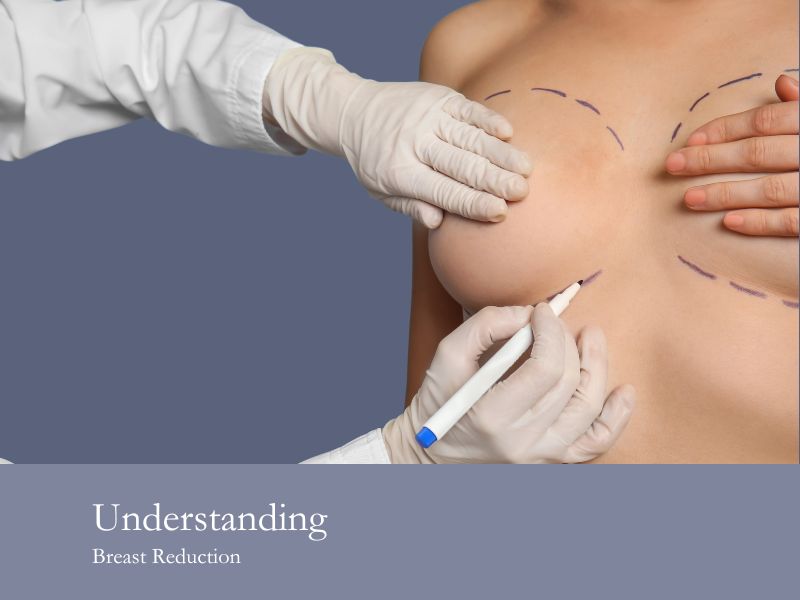
Breast reduction surgery is a breast procedure designed to reduce the size and weight of the breasts by removing excess tissue, fat, and skin. The goal of breast reduction is to create a more balanced breast size, improve posture, and reduce discomfort caused by overly large breasts.
Breast reduction surgery depends on each patient’s needs. Some require additional contouring, while others may combine their breast reduction with a breast lift for enhanced shape. Regardless of the technique, most patients report a major improvement in quality of life.
Breast reduction patients should understand both the benefits and the expected recovery timeline. While swelling, tightness, and changes in breast tissue are normal, following proper post-operative instructions, especially related to sleep, helps support effective healing.
Preparation for Breast Reduction Recovery
Preparation before surgery helps create a comfortable sleep routine once patients return home. Because sleeping position impacts swelling and healing, it is important to plan ahead.
A supportive mattress and multiple pillows provide much-needed support during the first few weeks. Many patients purchase a wedge pillow to help maintain an elevated position during the night. A compression bra or surgical bra is also essential, as it minimizes discomfort and supports healing breast tissue.
During the initial recovery phase, patients should avoid sleeping on their stomach or side. These positions place too much pressure on the surgical site and can affect healing. Follow-up appointments help track healing progress and ensure the patient is ready to safely adjust their sleeping position.
The Importance of Elevated Position
Sleeping with the upper body elevated plays a vital role in breast reduction recovery. This position helps reduce swelling, prevents fluid buildup, and promotes proper healing.
Patients can achieve this elevated position using:
- Multiple pillows
- A wedge pillow
- Adjustable bed settings
- Supportive pillows placed around the upper body
Sleeping with the upper body slightly elevated reduces direct pressure on healing breast tissue and offers additional comfort. Maintaining elevation for the first few weeks helps minimize discomfort and supports effective healing.
Avoiding Complications During Recovery
During breast reduction recovery, avoiding complications requires closely following the surgeon’s instructions. Patients must avoid putting too much pressure on the surgical site and avoid sleeping positions that strain the upper body.
Wearing a supportive bra, typically a surgical bra or compression bra, helps stabilize the breasts and reduce movement while sleeping. This reduces the risk of wound separation and other healing issues.
A healthy lifestyle, proper hydration, gentle movement, and consistent follow-up appointments all play a role in preventing complications. Most patients can avoid issues by resting, protecting the surgical site, and listening to their body during the healing journey.
Breast Reduction Recovery Timeline
Although each patient heals at a different pace, most breast reduction patients follow a similar recovery timeline:
First Few Weeks
The first few weeks are the most important. This is when swelling is highest, and the surgical site is still very delicate. During this stage, patients must sleep on their backs with their upper body elevated. This correct sleep position helps minimize swelling and supports proper healing.
4–6 Weeks
Most patients can begin easing back into more comfortable sleep positions around week 4–6, including gentle side sleeping if approved by their surgeon. Healing progress varies, so personalized guidance is important.
6–8 Weeks
By this stage, many patients can return to light activities. Heavy lifting and strenuous exercise should still be avoided unless cleared by the surgeon.
Several Months After Surgery
Final breast shape and healing results continue to improve over several months. Full healing of breast tissue may take longer depending on age, overall health, and the extent of the breast procedure.
When Can I Sleep on My Side After Breast Reduction?
Most patients want to know exactly when they can safely sleep on their side. Because everyone’s recovery process is unique, the answer can vary slightly. However, most patients can return to side sleeping around 4 to 6 weeks after breast reduction, depending on how their healing progress looks during follow-up appointments.
Sleeping on your side too early can place pressure on healing breast tissue and disrupt the surgical site. Side sleeping before the breasts are stable can lead to:
- Increased swelling
- Discomfort
- Shifting of healing tissue
- Wound separation
This is why board certified surgeons typically recommend sleeping on your back during the early recovery period and only returning to side sleeping once the breasts are strong enough to tolerate weight.
How to Return to Side Sleeping Safely
Once cleared by the surgeon, patients can transition to side sleeping using supportive pillows. This helps avoid putting too much pressure on the breasts and ensures comfort.
Helpful tips include:
- Place pillows behind your back for support
- Use a body pillow to keep the upper body stable
- Keep the upper body slightly elevated
- Avoid underwire bras at night until fully healed
Creating a comfortable sleep environment supports proper healing and helps patients fall asleep more easily.
Tips for a Smooth Recovery
Breast reduction patients can follow these tips to reduce discomfort and encourage proper healing:
- Get enough sleep every night to support the healing process
- Wear a supportive bra or compression bra as directed
- Avoid strenuous exercise
- Maintain hydration and a healthy diet
- Sleep elevated to minimize swelling
- Use additional pillows or a wedge pillow to maintain comfort
- Avoid sleeping on your stomach and side until cleared
A few lifestyle adjustments can significantly promote healing and minimize discomfort.
Common Challenges During Recovery

Many patients experience common challenges during recovery, especially related to sleep. Trouble sleeping is normal during the first few weeks because of restrictions on sleeping position and the discomfort of healing.
Pain medication can help minimize discomfort and make it easier to fall asleep. A supportive bra and comfortable pillows also provide much-needed support.
Swelling, shifting sleep position, and trying to maintain elevation may feel inconvenient, but these temporary challenges protect the surgical site and help ensure a smooth healing journey.
Promoting Healing and Relaxation
Relaxation is key during the recovery time after breast reduction surgery. Patients can reduce stress and support the healing process by incorporating:
- Deep breathing exercises
- Meditation
- Gentle stretching once cleared
- Light walking to improve blood flow
- Calming bedtime routines
Creating a peaceful sleep environment encourages good sleep, which is essential for effective healing. Patients should avoid underwire bras and instead wear a soft support bra or surgical bra at night to maintain comfort.
Attending follow-up appointments ensures that healing stays on track and allows the surgeon to provide personalized guidance, including when it is safe to sleep without a bra or return to side sleeping.
FAQs: When Can I Sleep On My Side After Breast Reduction Surgery
How long do I need to sleep elevated after breast reduction?
Most patients need to sleep in an elevated position for the first few weeks to reduce swelling and protect healing breast tissue. Sleeping with the upper body elevated minimizes discomfort and supports the recovery process. Your surgeon will guide you based on your healing progress.
Can I sleep without a bra after breast reduction?
Sleeping without a bra is usually not recommended during the initial recovery phase. A supportive bra or compression bra helps stabilize the breasts while healing. Most patients can sleep without a bra only after the surgeon confirms enough healing has occurred.
When can I fall asleep on my stomach after breast reduction?
Stomach sleeping places too much pressure on the surgical site and should be avoided until the breasts are fully healed. Most patients must wait at least several months before returning to stomach sleeping, depending on their recovery timeline.
Is it normal to have trouble sleeping after breast reduction?
Yes, trouble sleeping is common due to changes in sleeping position and the need to sleep elevated. Using supportive pillows, a wedge pillow, and a comfortable sleep environment can help improve sleep quality during recovery.
Is Breast Reduction Covered by Insurance?
Breast reduction insurance coverage depends on your provider and whether the procedure is considered medically necessary. Many insurance plans may cover breast reduction surgery if you experience ongoing issues such as back, neck, or shoulder pain, skin irritation, or posture problems, and if conservative treatments have not provided relief. Documentation from your doctor, medical records, photos, and proof of symptoms are often required to determine eligibility.
Schedule Your Breast Reduction Consultation at Zahedi Plastic Surgery
If you’re ready to learn more about Breast Reduction, scheduling a consultation with Dr. Zahedi at Zahedi Plastic Surgery is the best place to begin.
During this visit, Dr. Zahedi will assess your needs, discuss your recovery timeline, and guide you on how to sleep safely and comfortably after surgery. Personalized care ensures you understand each step of the healing process and feel confident moving